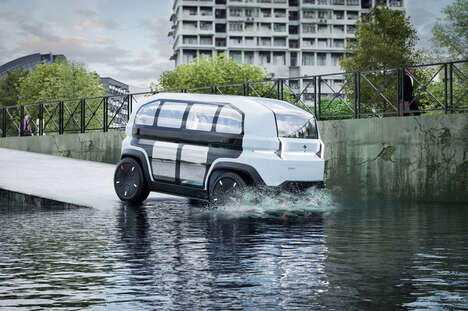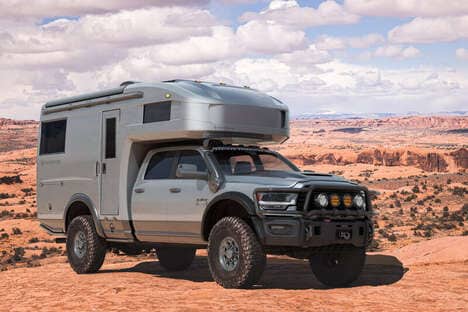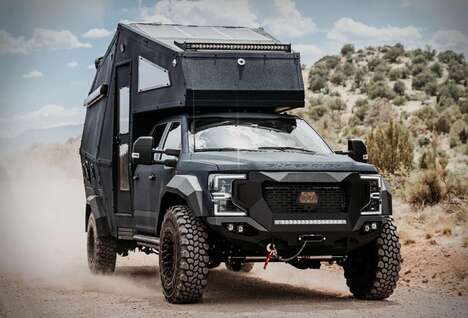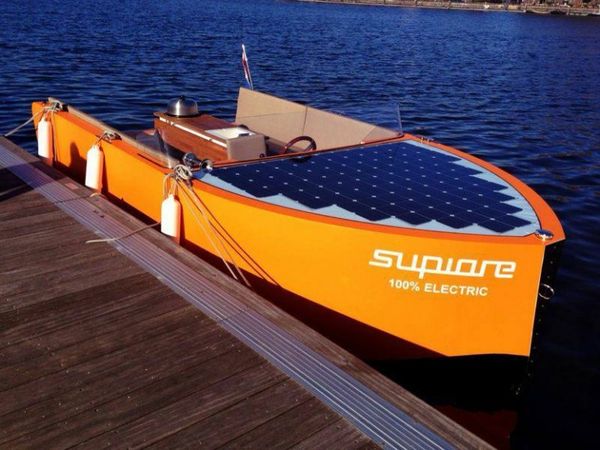
Stan Hewitt is the master designer behind the Amphibalaska amphibious vehicle. It is designed for speeds of 30 mph across land and water, while carrying a crew of five and all the gear they need for emergency response, field work or recreation.
Stan Hewitt has a background in welding, aircraft, marine vehicles, and the Alaska outback. He owned a southeastern Alaska air taxi business and understands the challenges of the Alaskan backcountry. He set out to build a versatile vehicle designed to conquer any course and has succeeded in his Amphibalaska.
Why This Trend Is Growing
- Amphibious Vehicles
- Developing amphibious vehicles that can navigate both land and water opens up opportunities for emergency response, field work, and recreation in various environments.
- Extreme Terrain Vehicles
- Creating vehicles capable of navigating challenging terrains like the Alaskan backcountry allows for improved accessibility and safety in remote areas.
- Multi-purpose Vehicles
- Designing vehicles that can accommodate a crew and carry necessary equipment for diverse activities such as emergency response, field work, and recreation offers flexibility and efficiency.
Industries Being Reshaped
- Emergency Response
- Innovative backcountry rescue vehicles can revolutionize emergency response operations in rural and rugged locations, providing faster and more efficient aid.
- Outdoor Recreation
- The development of amphibious vehicles offers new possibilities for adventure enthusiasts and outdoor recreation businesses, allowing them to explore previously inaccessible terrains.
- Field Work and Exploration
- Industries related to scientific research, oil and gas exploration, and wilderness expeditions can benefit from versatile vehicles that enable transportation and operations in challenging environments.