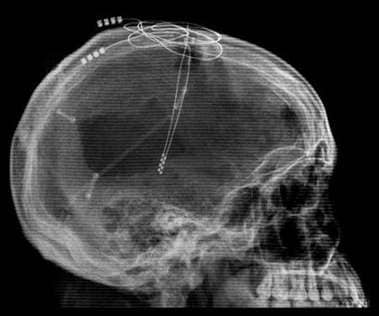
For the first time, deep-brain stimulation, using a brain pacemaker, was used on a patient in a minimally conscious state. The pacemaker, which uses two electrodes to send impulses into a part of the brain regulating consciousness, was implanted in the 38-year-old man enabling him to chew his food, watch a movie and talk with family for the first time in six years (when he was hit on the head in a robbery).
Implications - The brain pacemaker that woke a man who was nearly dead is certainly a breakthrough in the tech and health care communities. Electrodes were inserted into the man's brain and the 36-year-old was revived from his state of near-vegetation. This is a remarkable discovery that could have drastic implications for patients.
Why This Trend Is Growing
- Brain Pacemaker Innovation
- The discovery and use of brain pacemakers to stimulate parts of the brain regulating consciousness could lead to further developments in the field of neurology.
- Deep Brain Stimulation Advancements
- With the success of the deep-brain stimulation procedure, there is potential for further research in the field to advance the technology and improve the quality of life for more patients.
- Minimally Conscious State Treatment
- The use of brain pacemakers in treating patients in a minimally conscious state may lead to the development of new treatments and therapies for other neurological disorders.
Industries Being Reshaped
- Healthcare Industry
- Further research and development in the use of brain pacemakers and deep-brain stimulation technology has the potential to revolutionize the healthcare industry in the treatment of neurological disorders.
- Neurology Industry
- The use of brain pacemakers in the treatment of neurological disorders could disrupt the neurology industry in terms of treatment options, patient outcomes, and advancements in medical technology.
- Tech Industry
- Technological advancements in deep-brain stimulation and brain pacemaker technology have the potential to disrupt the tech industry with further developments aimed at improving patient health outcomes.