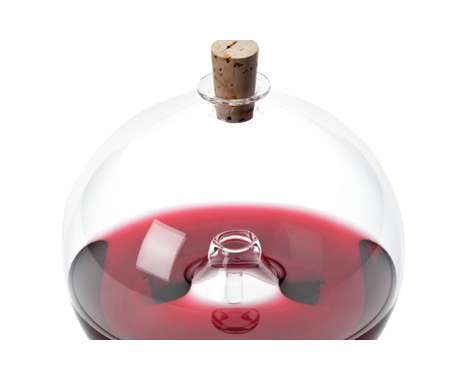
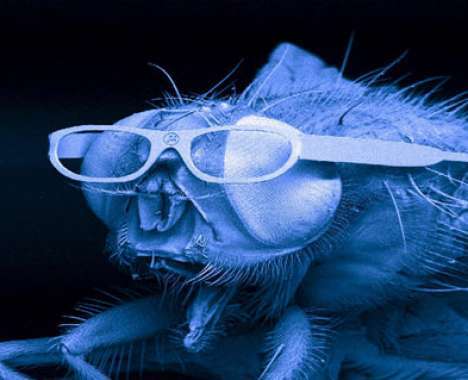
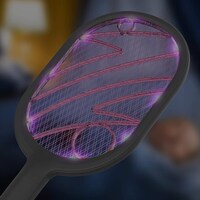
Flies are quick and annoying and very difficult to deal with. The standard flyswatter requires a lot of energy and skill.
This carnivorous clock actually waits for dinner to arrive on a silver platter (or the little sticky belt). This robot is quite the hunter.
The idea is that different pests will be browsing around your living area and they may land on the clocks sticky belt. The belt will then roll the bugs into a chemical vat. The reaction causes fuel for the clock to run.
What's Driving This Trend
- Pest-killing Robots
- There's an opportunity to develop robots that can selectively target and eliminate pests without causing harm to humans or other non-target species.
- Sustainable Energy Sources
- The development of robots that can convert pests into biofuel is a promising area for research into sustainable energy sources.
- Smart Home Devices
- Integrating pest-killing robots into smart home systems can provide homeowners with an effective and convenient way to control pests.
Who This Affects Most
- Robotics Industry
- The robotics industry can explore the development of more advanced and efficient pest-killing robots using innovative technologies.
- Renewable Energy Industry
- The renewable energy industry can leverage the biofuel potential of pest-killing robots to create sustainable sources of energy.
- Home Automation Industry
- The home automation industry can develop and market pest-killing robots as an essential component of smart home systems for pest control.