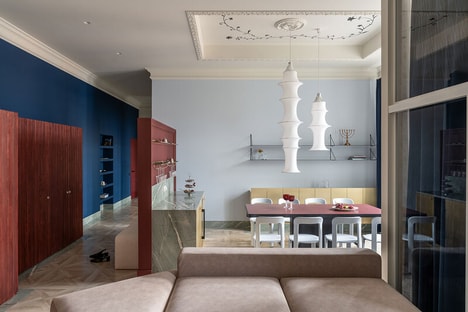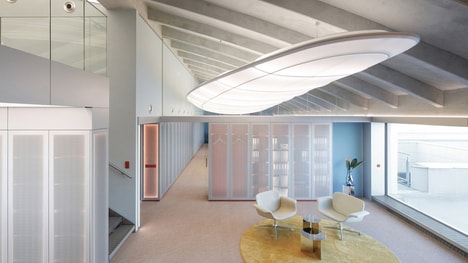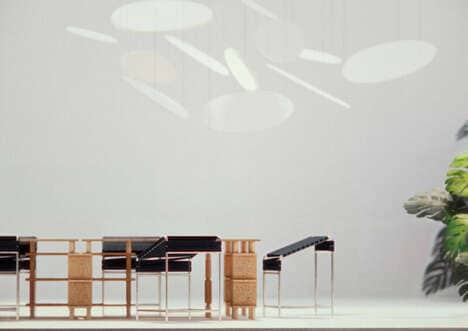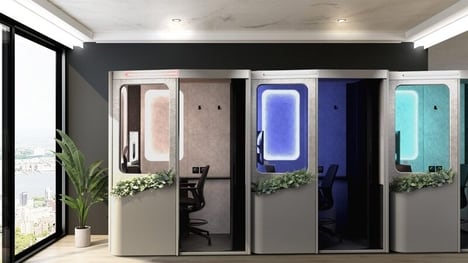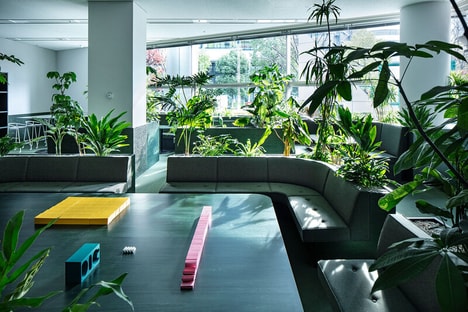
One of the ways to make employees happy in the office is to optimize office space.
Cubicles often provide privacy, but in a false sense. Though it may seem private and secluded, workers tend to feel isolated or alienated after a while. This also segregates the rest of the team from each other, which means less face-to-face communication and bonding, resulting in a lack of team spirit and work. The average US employee spends over 1,700 hours at work annually, which means over ten waking hours a day are spent at the office.
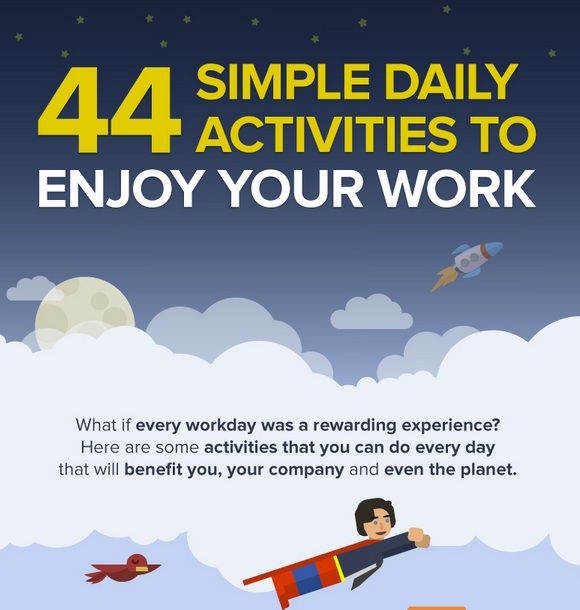
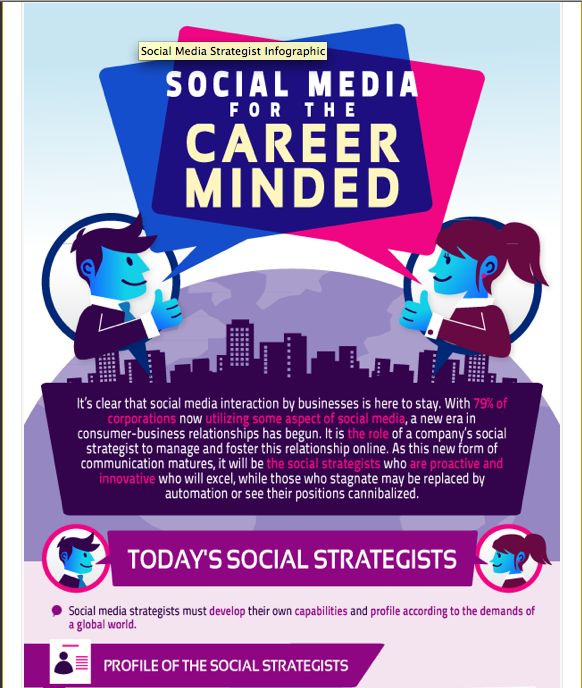
One of the ways the infographic recommends to optimize office space is to paint it vibrantly with colors that employers want to reflect their desired identity and spirit. Another way is to use space efficiently such as a fair balance between open and closed working areas.
What's Driving This Trend
- Remote Work
- The rise of remote work allows businesses to reconsider the traditional office space and explore flexible and distributed work arrangements.
- Collaborative Workspaces
- Creating collaborative workspaces encourages team interaction, fosters creativity, and boosts productivity by breaking down the barriers of traditional cubicle setups.
- Work-life Balance
- Optimizing office space to promote work-life balance can improve employee satisfaction and well-being, leading to increased productivity and retention.
Who This Affects Most
- Office Furniture
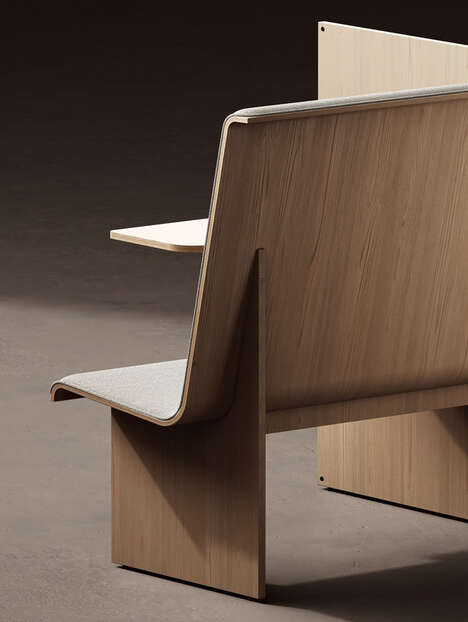
- The office furniture industry has an opportunity to innovate by designing flexible and adaptable furniture solutions that cater to the changing needs of modern workspaces.
- Interior Design
- Interior design professionals can tap into the trend of optimizing office space by providing creative solutions that maximize productivity, collaboration, and employee well-being.
- Technology
- The technology industry can offer disruptive innovations such as virtual collaboration tools and smart office systems to facilitate seamless communication and enhance the efficiency of modern office spaces.