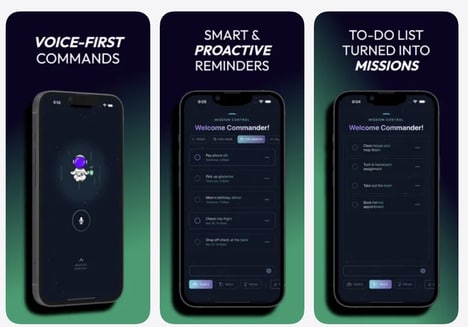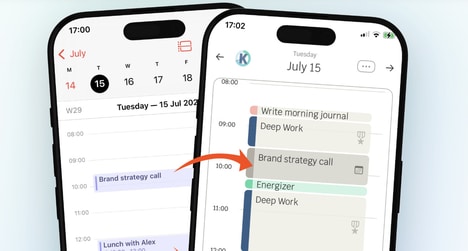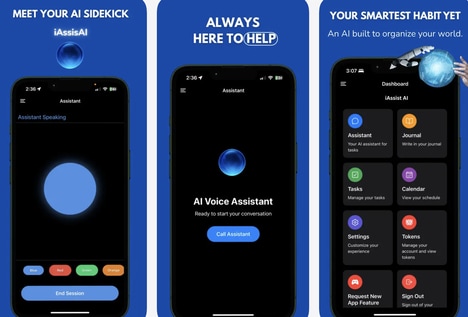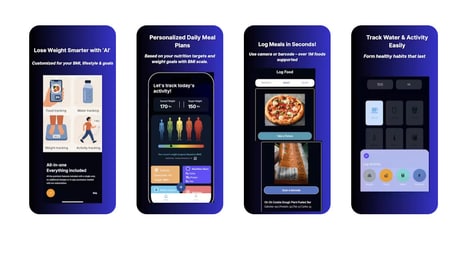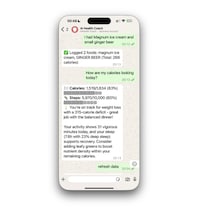
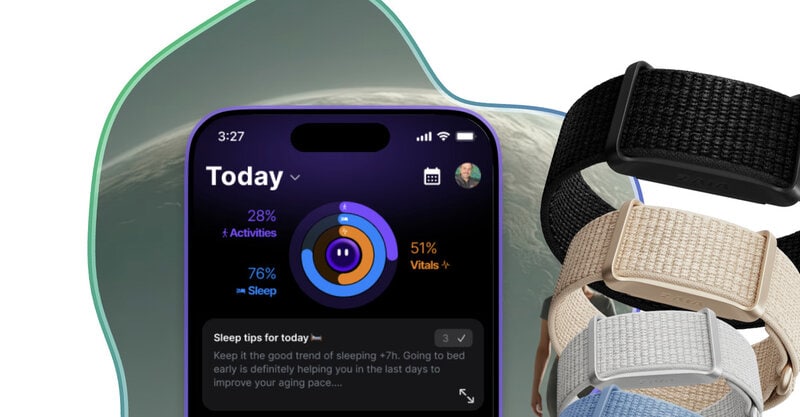
Keeping up with healthy habits can be difficult when work, appointments, workouts, and other commitments fill up your calendar. Zaia is an AI-powered voice health assistant designed to help users build healthier routines around their existing schedules. The app can support goals related to sleep, exercise, nutrition, and mental wellbeing, while using information from a user's calendar to provide more personalised guidance.
Its voice-first approach allows users to interact with their health companion without needing to manually enter everything into an app. Zaia is designed to make healthy habits feel more manageable by considering what a user's day actually looks like rather than treating health goals in isolation. By connecting personal scheduling with fitness and wellbeing, Zaia aims to help users stay consistent with the habits they want to build. The iOS app offers a more conversational approach to everyday health and wellness planning.
Image Credit: Zaia
What's Driving This Trend
- Calendar-aware Wellness
- Personal schedules become a contextual layer for wellness platforms, enabling habit recommendations that adapt to real daily constraints instead of generic routines.
- Voice-first Health Coaching
- Conversational interfaces reduce friction in personal health tracking, creating opportunities for more natural engagement with fitness, nutrition, sleep, and mental wellbeing tools.
- Contextual Habit Design
- AI systems that interpret lifestyle patterns can make behavior change feel more achievable by aligning healthy routines with moments users are most likely to follow through.
Who This Affects Most
- Digital Health
- Integrated AI assistants expand the role of health apps from passive trackers into proactive companions that personalize guidance across multiple wellbeing categories.
- Productivity Software
- Calendar and scheduling platforms gain new relevance as health context providers, linking time management data with personalized recommendations for daily self-care.
- Wearable Technology
- Connected devices can enhance voice-led coaching by supplying real-time biometric and activity signals that make habit support more responsive and precise.