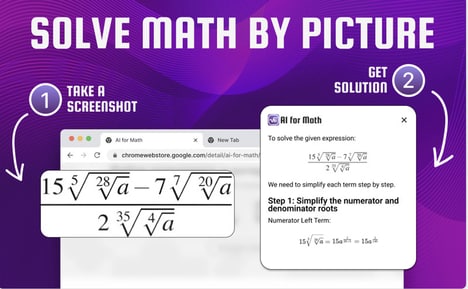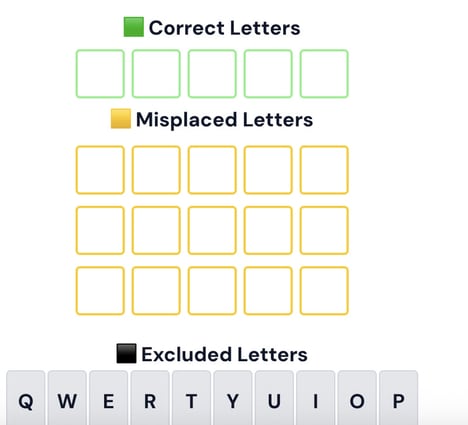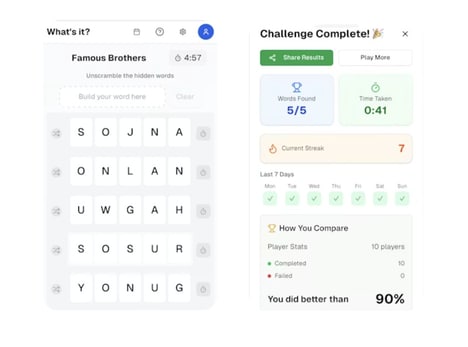
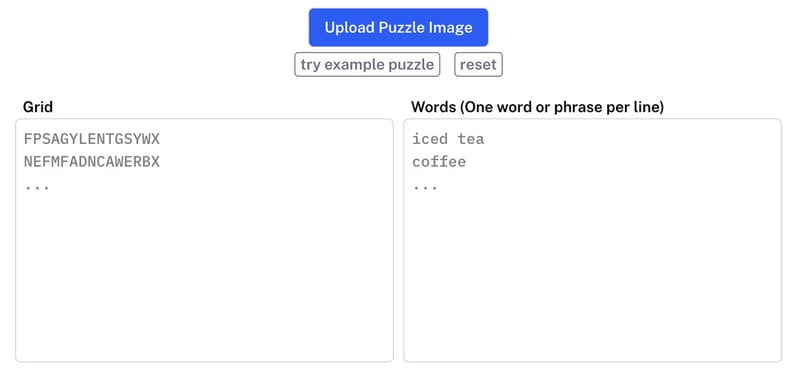
Word Search Solver is a digital tool designed to assist users in completing word search puzzles by analyzing images of the puzzle itself. Users capture or upload a photo, and the system applies AI-based image recognition to detect letters, identify word patterns, and generate solutions within seconds.
The tool is intended to automate the traditionally manual process of scanning grids and locating hidden words. It reflects a broader trend in applying computer vision to recreational and educational problem-solving tasks, where static visual content is interpreted into structured outputs. For users, such tools can reduce time spent on puzzles, support learning, and provide assistance when solving complex grids. It also demonstrates how AI systems can translate visual information into actionable results, bridging the gap between image recognition and interactive problem-solving applications in everyday use cases.
Image Credit: Word Search Solver
What Makes This Trend Stand Out
- Image-to-text Puzzle Solvers
- Enables rapid conversion of photographed puzzles into structured, searchable data that could redefine how casual games are consumed and analyzed.
- Gamified Learning Augmentation
- Supports adaptive educational experiences by blending instant solution feedback with skill-tracking that could shift tutoring and practice models toward microinteractions.
- Real-time Mobile Computer Vision
- Drives on-device recognition of complex visual patterns that could enable ambient assistance across leisure and productivity contexts.
Sectors Adopting This
- Educational Technology
- Growth in automated puzzle-solving can lead to new assessment and remediation tools that personalize literacy and vocabulary development.
- Mobile App Development
- Demand for image-based solvers creates opportunities for apps that integrate vision APIs, offline inference, and subscription monetization models.
- Publishing and Print Media
- Ability to digitize and parse printed puzzles could transform legacy content into interactive, data-rich products and new distribution channels.