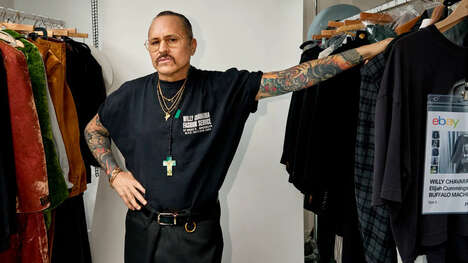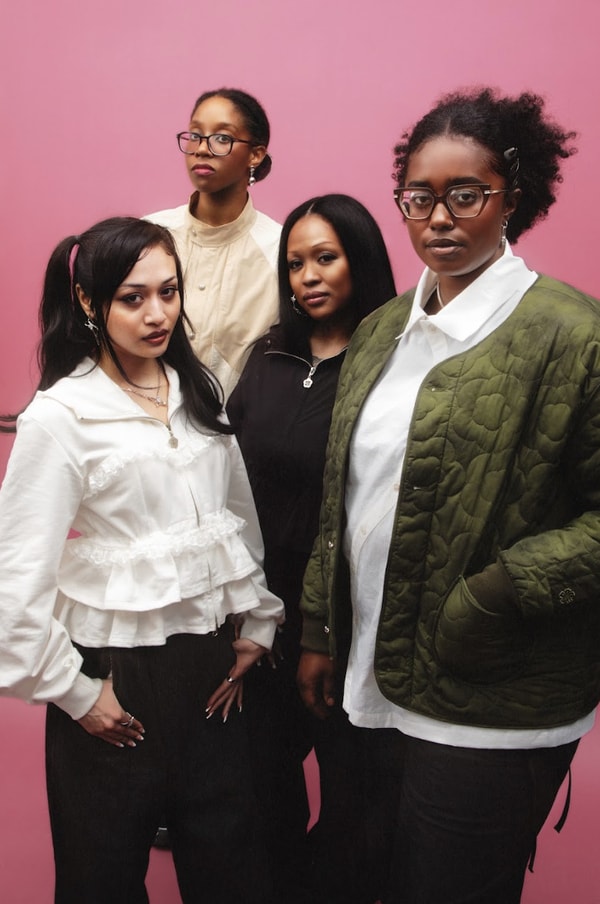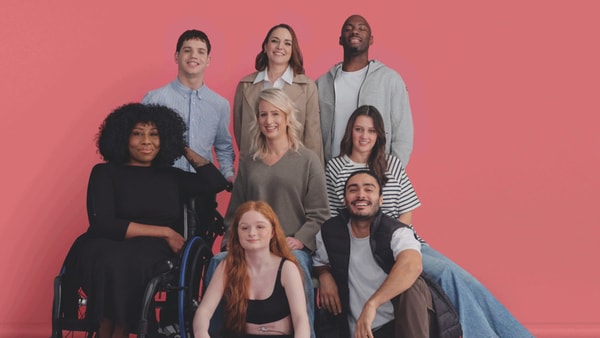
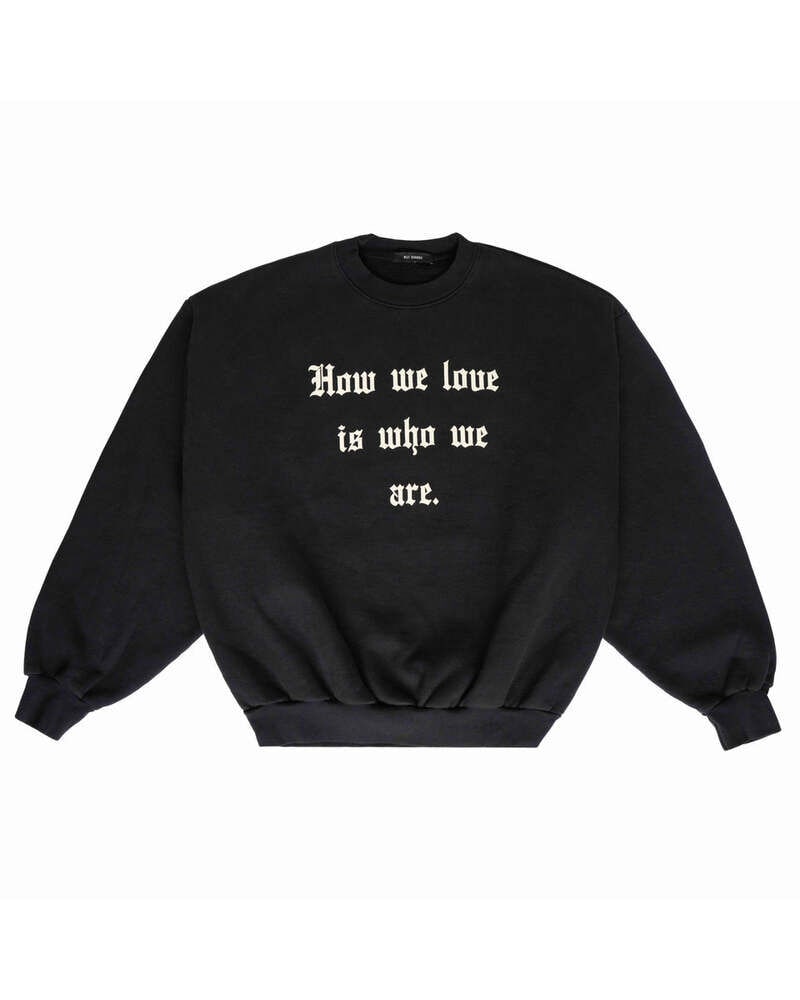
Tinder, visionary designer Willy Chavarria, and the Human Rights Campaign (HRC) have teamed up to make a powerful statement for LGBTQ+ rights, unveiling a limited-edition sweatshirt that blends fashion with activism. Debuting at Paris Fashion Week, the boldly titled 'How We Love Is Who We Are' sweatshirt shines a spotlight on love and equality in response to the staggering 570+ anti-LGBTQ+ bills introduced worldwide in the past year.
After its high-fashion debut, the sweatshirt will be available for a limited time on Willy Chavarria's website, giving supporters around the globe a chance to join the movement. In honor of this collaboration, Tinder has also donated to the HRC, reinforcing its commitment to fighting for unity, equality, and liberation for the LGBTQ+ community.
Image Credit: Tinder
Key Themes Behind This Trend
- Fashion-activism Collaborations
- Collaborations between designers and advocacy groups create apparel that merges style and social justice to engage consumers in activism.
- Limited-edition Social Statements
- Limited-edition releases are utilized as a tool for brands to highlight critical social issues and encourage consumer participation in advocacy.
- High-fashion Political Platforms
- The use of prestigious fashion events as platforms for political and social messages transforms the runway into a stage for activism.
Where This Applies
- Fashion Industry
- The fashion industry is evolving as brands increasingly integrate social issues, blurring the lines between clothing production and activism.
- Nonprofit and Advocacy Sector
- Nonprofit organizations are collaborating with commercial brands to reach new audiences, leveraging consumer culture for advocacy.
- E-commerce Platforms
- E-commerce platforms are being used to distribute activism-driven products to global markets, enhancing their role in social movements.