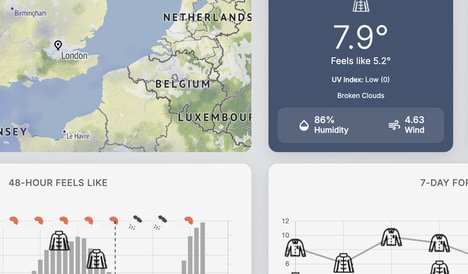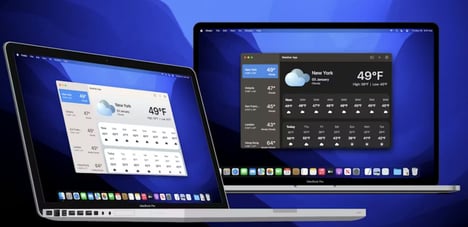
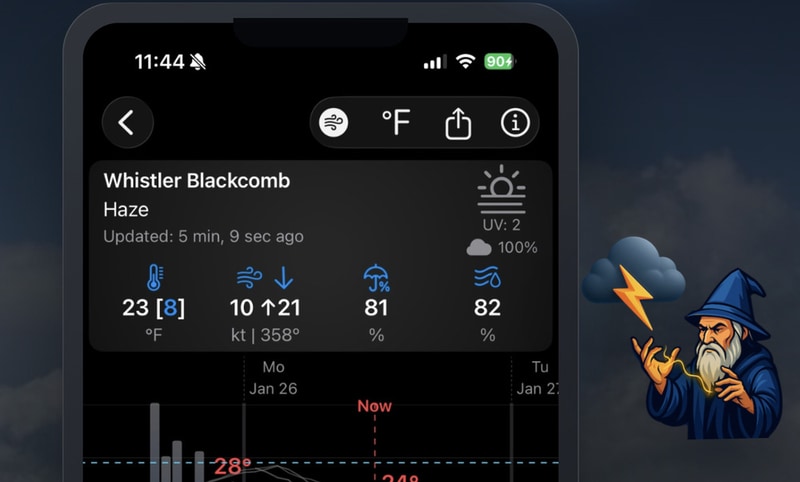
Weathercaster is an iOS-based weather forecasting tool that presents data in a simplified, chart-driven format. Built on Apple WeatherKit, it translates meteorological inputs into visual graphs designed to improve readability and reduce informational clutter.
The application focuses on displaying key forecast elements such as temperature trends, precipitation probability, and wind conditions through streamlined visualizations rather than dense text-based reports. This design approach aligns with broader trends in mobile applications that prioritise minimalism and data clarity. By removing non-essential interface elements, Weathercaster aims to make weather interpretation more immediate and accessible for users. For consumers, chart-based forecasting tools can support quicker decision-making in daily planning, travel, and outdoor activities, while also demonstrating how structured data visualization is increasingly used to simplify complex environmental information on mobile platforms.
Image Credit: Weathercaster
Key Themes Behind This Trend
- Chart-based Weather Visualization
- Chart-driven forecasts present complex meteorological data as immediately interpretable visuals, enabling new products that replace dense text reports with timeline and trend-focused interfaces.
- Minimalist Mobile Data Interfaces
- Increasing preference for stripped-back UIs prioritizes clarity over feature bloat, creating room for lightweight apps that deliver high-impact insights with fewer interaction steps.
- Contextual Environmental Insights
- By integrating localized forecasts with situational metadata, apps can surface condition-specific guidance tied to activities, transport schedules, or microclimate patterns.
Where This Applies
- Mobile App Development
- App makers focusing on succinct data visualization can rethink subscription and feature models around modular, role-specific forecasting components.
- Outdoor Recreation and Travel
- Recreational planners and travel platforms stand to benefit from embedding compact, chart-based weather tools that reframe trip risk and itinerary timing.
- Agriculture and Precision Farming
- Farm operations can leverage simplified trend visualizations to better align irrigation, planting, and harvest decisions with short- and medium-term weather projections.