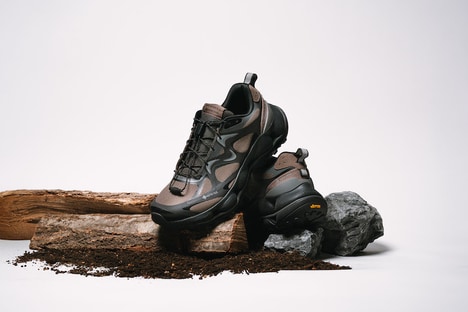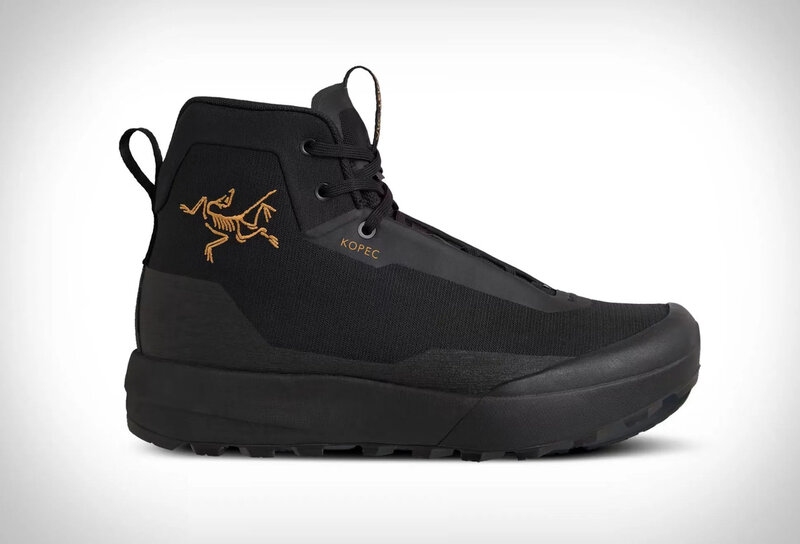
Arc’teryx reworked the ‘Kopec 2 Mid GTX’ around two updates that matter on longer hikes: a wider front end and a springier midsole. Built for day hikers and backpackers, the mid-cut boot keeps a trail-shoe-like flex while adding waterproof coverage and steadier ankle hold on uneven trails.
Sold through Huckberry, it uses a breathable GORE-TEX membrane and comes in at about 399 grams per boot, which keeps foul-weather protection from tipping into a heavy feel. The roomier forefoot matters most late in the day, when swollen feet need space instead of pressure.
Arc’teryx shows how comfort upgrades can become a buying reason at $210 in a price band where buyers expect protection first, while the boot sits between light trail shoes and the more technical ‘Konseal Trek Boot.’
Image Credit: BlessThisStuff
Key Themes Behind This Trend
- Spring-loaded Hiking Footwear
- Advanced midsole designs are reshaping outdoor footwear by pairing trail-shoe flexibility with long-distance cushioning that reduces fatigue on extended hikes.
- Roomier Performance Fits
- Wider forefoot construction reflects a growing focus on adaptive comfort, especially for hikers seeking pressure relief as feet swell over time.
- Lightweight Weather Protection
- Breathable waterproof membranes in lighter boot builds are blurring the line between protective hiking boots and agile trail shoes.
Where This Applies
- Outdoor Footwear
- Premium hiking brands are finding new differentiation through comfort-led engineering that goes beyond durability and weather resistance.
- Adventure Retail
- Specialty retailers have opportunities to position hybrid boots as versatile gear for consumers moving between day hikes, backpacking, and unpredictable weather.
- Performance Materials
- Material suppliers are benefiting from demand for breathable waterproof systems that preserve protection without adding bulk or stiffness.