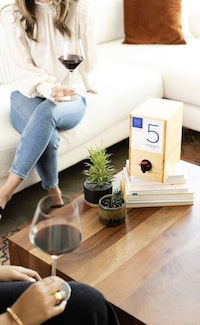


It may seem counterintuitive to purchase water boxes in order to help the environment and other people, but that is partially the case with these 'Water For Change' bottles.
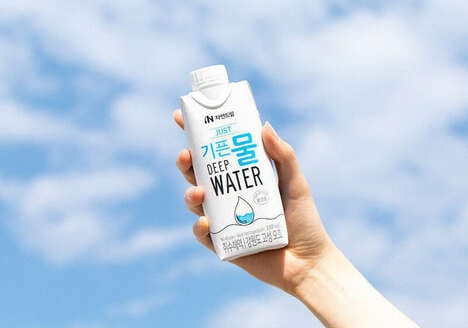
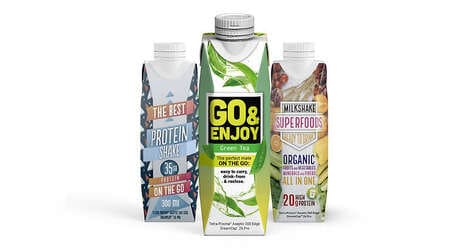
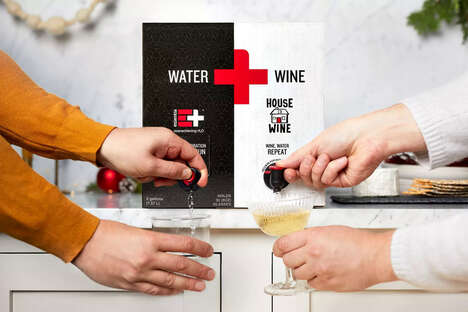
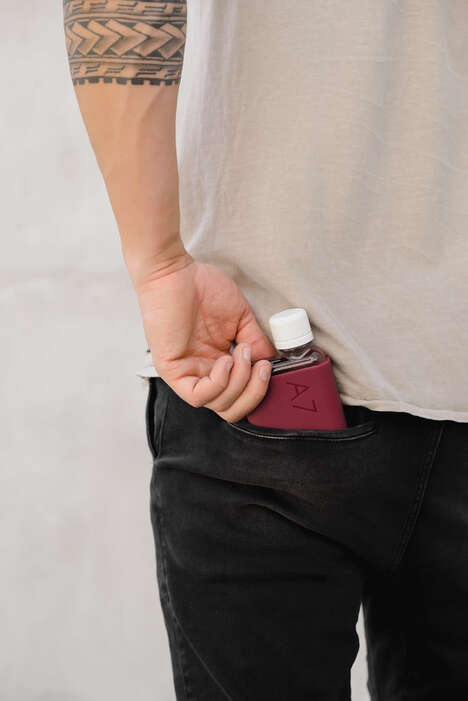
The packaged water comes in the form of portable boxes that are made from cardboard the can be recycled. A plastic twist-off cap sits on top of the water boxes, allowing users to take it on-the-go if necessary. The labeling on the Swedish boxed waters feature various buzzwords such as "pure, eco-friendly, natural and sustainable" to ensure that consumers are aware of the brand's purpose. For each carton that is purchased, the brand donates 10 litres of water to a village in the developing world.
These water boxes forgo the use of environmentally damaging plastics and make consumers feel more positive about their purchasing habits.
Key Themes Behind This Trend
- Eco-friendly Packaging
- The trend towards eco-friendly packaging creates opportunities for innovative packaging solutions that are better for the environment.
- Buy One, Give One
- The trend of 'Buy one, give one' business models creates opportunities for businesses to generate revenue while also giving back to those in need.
- Transparency Labeling
- The trend towards transparent labeling allows consumers to make more informed purchasing decisions and creates opportunities for businesses to highlight their purpose and mission.
Where This Applies
- Beverage Industry
- The beverage industry can take advantage of eco-friendly packaging to reduce waste and appeal to customers interested in sustainable products.
- Non-profit Industry
- Non-profit organizations can use the 'Buy one, give one' model to generate revenue and fundraise for their cause while also giving back to those in need.
- Retail Industry
- The retail industry can take advantage of transparent labeling to communicate their brand's purpose and appeal to customers interested in socially responsible products.