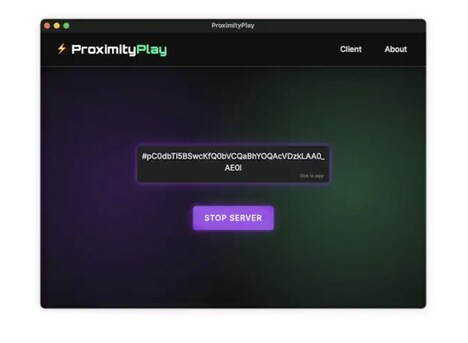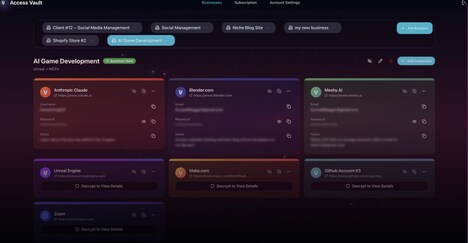

Leostream built Leostream Cloud so remote employees and contractors can reach specific physical or cloud-hosted workstations and systems without first entering the wider corporate network through a virtual private network, or VPN. The cloud service signs users in, applies access rules and opens only the approved machine or protected resource.
It also covers vendor privileged access management, which gives third-party technicians and contractors tightly limited sessions. An outbound Leostream Cloud Agent keeps services like RDP and SSH off the public Internet, while central logs and optional session recordings give IT teams a record of remote activity.
Available now, Leostream Cloud makes no-VPN access a practical buying option for organizations that need resource-level entry rather than full network access. The same setup can handle employee sessions and outside vendors, reducing how many remote access products IT teams need to juggle.
Image Credit: Leostream
What Makes This Trend Stand Out
- Vpn-free Remote Access
- Resource-level connectivity replaces broad network entry with direct access to approved workstations, creating room for more granular security architectures in distributed organizations.
- Vendor Privileged Sessions
- Limited third-party access with logs and session recordings strengthens oversight of contractor activity while reducing exposure from traditional remote support methods.
- Cloud-brokered Workstations
- Cloud routing for physical and virtual machines supports hybrid work models where authentication, policy enforcement and session control are managed outside the corporate perimeter.
Sectors Adopting This
- Cybersecurity
- Zero-trust access platforms can reshape enterprise security spending by narrowing remote connectivity to specific assets instead of full network tunnels.
- Information Technology
- Unified remote access management offers IT departments a way to consolidate employee, contractor and vendor workflows across cloud-hosted and on-premise systems.
- Managed Services
- Secure privileged access for external technicians creates differentiated service models for providers supporting clients without exposing internal networks.