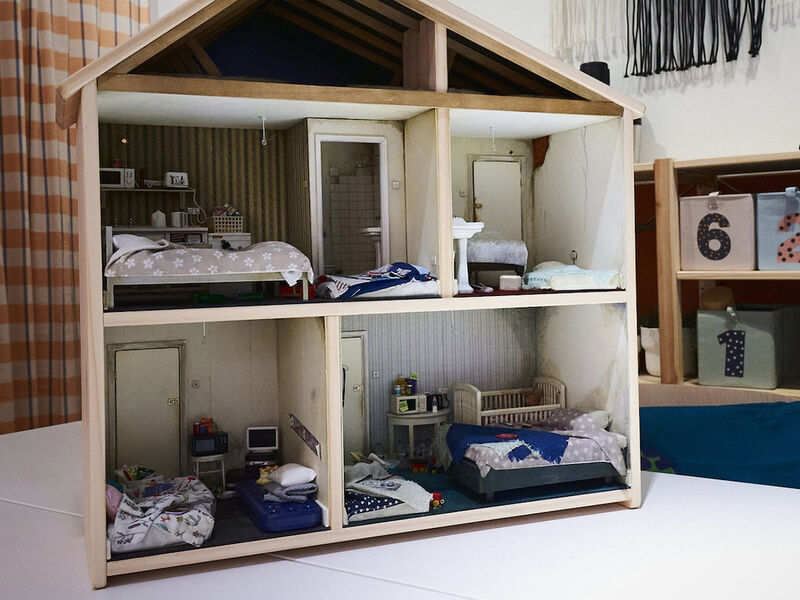
IKEA and Shelter work in collaboration to present the UNWELCOME HOME campaign to bring attention to the concerning issues of housing conditions for children across England. It takes a realistic doll's house to showcase the harsh living spaces that many homeless families face. It centers around a reimagined variation of the FLISAT Doll's House. The iconic children's toy presents a contrasting design to the usually idyllic miniature toys that are for plat.
Instead, it highlights the distressing systems that truly depict real-life families who are living in these accommodations. It features walls that are marked with mold, rat infestations, hazardous wiring, and uncomfortable cramped living spaces. The campaign creates a strong urgency to the housing crisis.
Image Credit: IKEA
What's Driving This Trend
- Social Awareness Toy Campaigns
- Brands are leveraging popular children's toys to highlight pressing social issues, creating an impactful and educational tool for broader audiences.
- Realistic Dollhouses
- Traditional dollhouses are being reimagined to accurately reflect real-life conditions and challenges faced by families.
- Collaborative Cause Marketing
- Companies and non-profits are teaming up to create campaigns that raise awareness and drive change through innovative and relatable mediums.
Who This Affects Most
- Toy Manufacturing
- The inclusion of socially conscious elements in toys presents new avenues to engage parents and children in meaningful conversations.
- Non-profit Sector
- Partnerships with well-known brands can amplify cause-related messages and increase visibility for urgent social issues.
- Interior Design
- Realistic miniatures highlighting adverse living conditions can inspire more empathetic and solution-driven design approaches in architecture and urban planning.