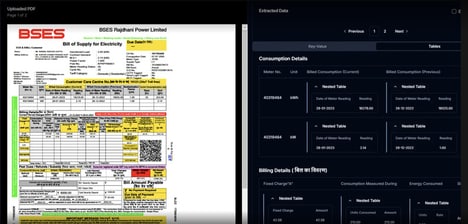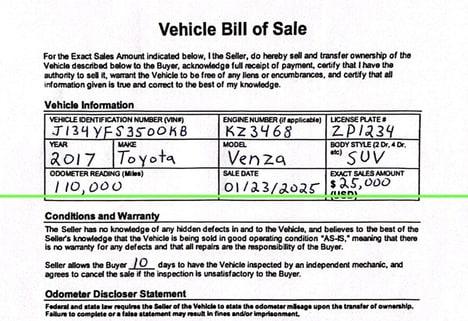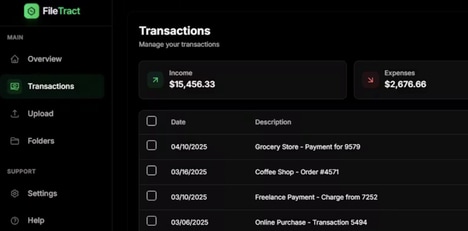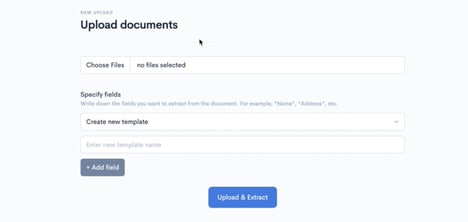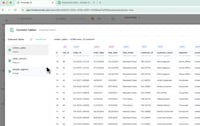
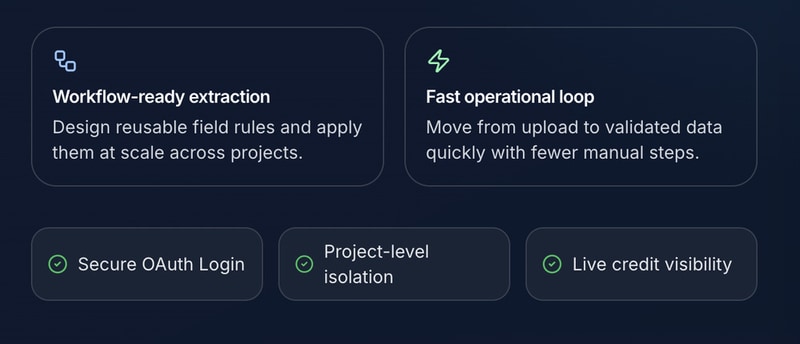
Unstructure AI operates within the document processing and data automation space, focusing on transforming unstructured content into structured, usable data. It processes PDFs and images, extracting specific fields defined by the user and converting them into organised outputs ready for storage or analysis. The platform supports custom field definitions, allowing users to tailor extraction rules to match business or research needs.
Once processed, the extracted data can be sent directly to external databases, enabling seamless integration into existing workflows. This makes it suitable for industries dealing with large volumes of documents such as finance, logistics, healthcare, and operations. By bridging raw document content with structured data systems, Unstructure AI removes the manual effort of reading and transcribing information. It turns static files into dynamic datasets that can be queried, analysed, and reused across digital systems with consistency and precision.
Image Credit: Unstructure AI
Part of the cluster
Practice Copilots
AI tools are becoming always-on preparation layers for learning and upskilling
Explore the cluster


Why This Trend Is Growing
- Document-to-database Pipelines
- The conversion of PDFs and images into queryable databases enables rapid aggregation of archival records into centralized analytics platforms, reducing latency between capture and insight.
- Custom Field Extraction
- Tailorable extraction rules that identify user-defined fields create opportunities for highly specific structured outputs that align with niche compliance and reporting requirements.
- Automated Data Normalization
- Consistent transformation of heterogeneous document formats into standardized datasets opens avenues for scalable machine learning model training and cross-system interoperability.
Industries Being Reshaped
- Finance
- Automated extraction of transactional and contractual data from statements and agreements can streamline audit trails and risk analytics across large portfolios.
- Healthcare
- Structured capture of clinical notes, lab reports, and imaging metadata could enhance patient record completeness and accelerate population health research.
- Logistics
- Digitizing bills of lading, delivery receipts, and customs documents into structured feeds supports real-time supply chain visibility and exception detection.