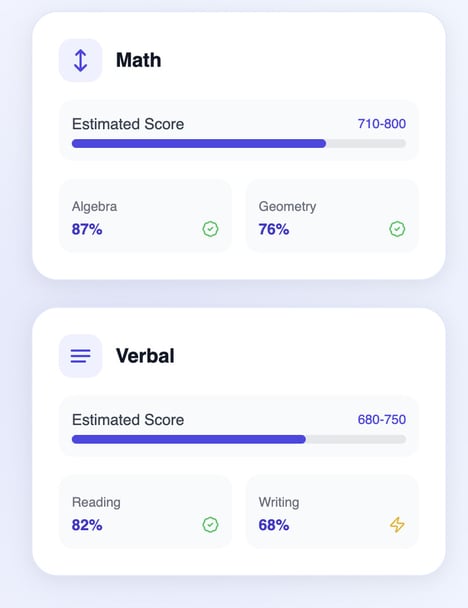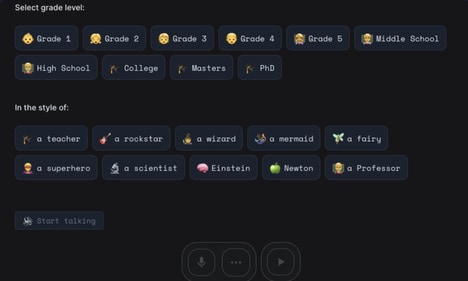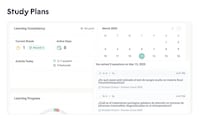
Thea is advancing AI-powered practice platforms by using artificial intelligence to strengthen active learning rather than simply provide students with answers. The platform creates personalized practice sessions that adapt in real time to individual responses, focusing subsequent questions on concepts a learner has not yet mastered. Educators can upload course materials, including study guides and previous tests, and share the resulting practice experience with students through a single link. The platform also supports more than 80 languages.
For colleges and universities, Thea offers a way to introduce AI-assisted learning without extensive IT setup or additional student accounts. Its narrow focus on practice and mastery can complement existing learning management systems rather than replace them. This approach also gives Thea a distinct position in the crowded education technology market while supporting institutional goals around student preparedness, course performance, pass rates, and retention.
Image Credit: Thea Study
Key Themes Behind This Trend
- Adaptive Questioning
- Real-time question sequencing creates room for learning tools that diagnose knowledge gaps continuously and personalize practice without defaulting to answer delivery.
- Lms-compatible AI
- Platforms designed to complement existing learning management systems reveal demand for lightweight AI layers that improve outcomes without requiring major infrastructure changes.
- Multilingual Practice Tools
- Support for broad language access points to scalable education products that reduce barriers for diverse student populations across global institutions.
Where This Applies
- Education Technology
- AI-powered mastery platforms expand the market for specialized tools that improve student preparedness while avoiding full-system replacement.
- Higher Education
- Colleges and universities gain new pathways to improve retention, pass rates, and course performance through focused AI practice environments.
- Corporate Training
- Personalized practice models translate into workforce learning systems that reinforce skills through adaptive assessment and targeted repetition.