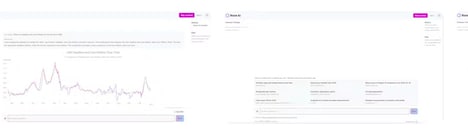
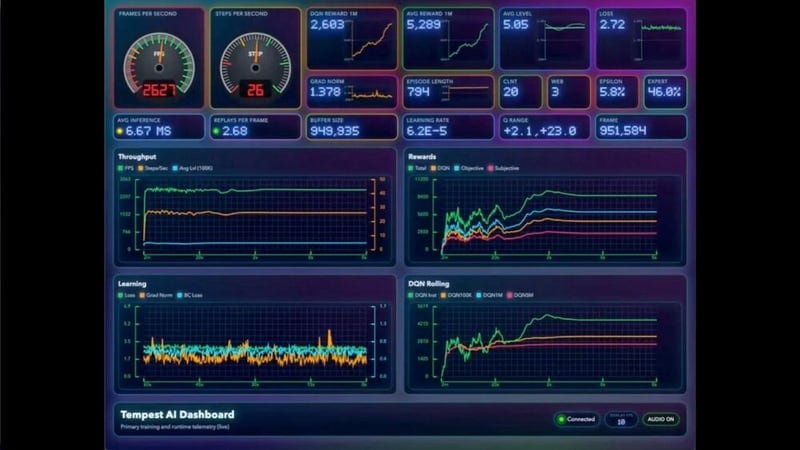
Ex-Microsoft developer Dave Plummer unveiled a new web dashboard for Tempest AI, a project he built to train an AI to play Atari's Tempest. The interface pairs vector-style graphs and twin speedometer gauges with a synthwave soundtrack, featuring a deliberately arcade-era aesthetic designed to echo the game's 1981 origins.
The dashboard surfaced on Plummer's Twitter and was updated days after its initial reveal; the live page includes an option to mute the pounding synth audio. Plummer, known for his work on Windows Task Manager and for holding a Tempest world record, said the UI reflects his personal take on a modern monitoring tool.
For players and developers, the Tempest AI dashboard blends nostalgia and telemetry, making model behavior feel tangible through retro visuals and realtime gauges. The result signals a trend where gaming AI projects adopt themed, expressive dashboards to communicate system state and engage communities.
Image Credit: Tempest AI
What's Driving This Trend
- Retro-modern UI Fusion
- A blend of nostalgic aesthetics with contemporary telemetry systems creates opportunities for immersive interfaces that make complex model states more approachable.
- Themed AI Dashboards
- Emergence of project-specific, narrative-driven dashboards suggests potential for brandable monitoring experiences that increase community engagement around AI systems.
- Audio-visual Model Telemetry
- Growing incorporation of sound and dynamic visuals into monitoring tools opens possibilities for multimodal feedback channels that convey model behavior beyond numeric metrics.
Who This Affects Most
- Game Development
- Nostalgic, playful monitoring interfaces could redefine developer and player interactions with in-game AI tools and post-release telemetry ecosystems.
- AI Monitoring Tools
- Specialized dashboards combining expressive visuals and contextual audio present room for differentiated products that translate model internals into intuitive signals.
- User Experience Design
- Design practices that fuse retro visual language with real-time data visualization offer new avenues for UX firms to craft emotionally resonant analytic products.