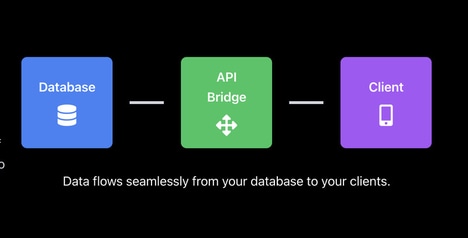
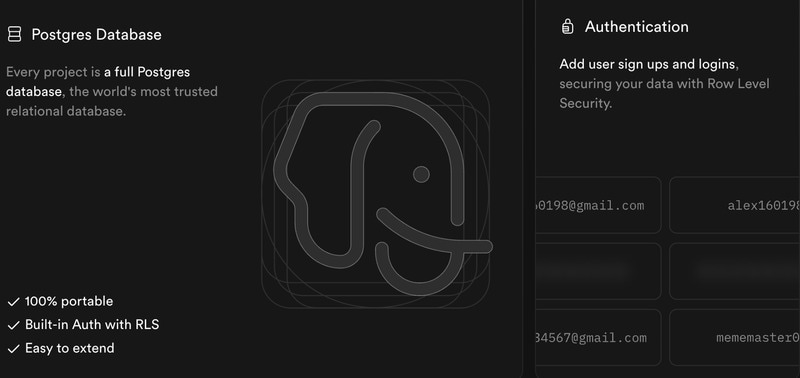
Supabase is an open-source backend-as-a-service platform designed to help developers build and scale applications without managing server infrastructure. It provides core backend components such as real-time databases, authentication, file storage, and automatically generated APIs.
Built on widely adopted open-source technologies, Supabase enables teams to retain control over their data while accelerating development cycles. From a business perspective, the platform reduces engineering overhead, allowing companies to focus resources on product development rather than backend maintenance. Its real-time capabilities support modern application use cases, including collaborative tools and data-driven products. Supabase is often positioned as an alternative to proprietary backend services, offering flexibility, transparency, and extensibility. By combining developer-friendly tooling with scalable infrastructure, it supports startups and established organizations seeking efficient, cost-conscious backend solutions.
Image Credit: Supabase
What Makes This Trend Stand Out
- Open-source Backend Dominance
- Widespread adoption of open-source backend platforms can undercut proprietary vendors by enabling more cost-effective, transparent infrastructure choices for organizations.
- Real-time Collaboration Infrastructure
- The rise of integrated real-time databases and APIs enables immersive, latency-sensitive collaborative experiences that shift product value toward synchronous user interactions.
- Backend-as-code Standardization
- Treating backend configuration and services as versioned code introduces opportunities for reproducible, automated platform stacks that reduce custom operations overhead across teams.
Sectors Adopting This
- Saas Startups
- Smaller product teams can match the scalability and feature velocity of incumbents by relying on turnkey open-source backend services that lower engineering and hosting costs.
- Enterprise IT
- Large organizations may move toward standardized, self-hostable backend platforms that weaken legacy vendor lock-in and change procurement dynamics for core infrastructure.
- Healthcare Technology
- Clinical and patient-facing applications could gain stronger data governance and compliance capabilities through transparent, self-managed backend components while accelerating feature deployment.