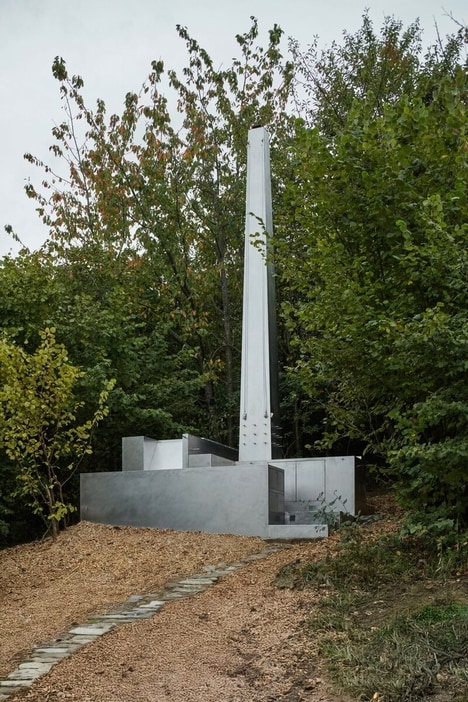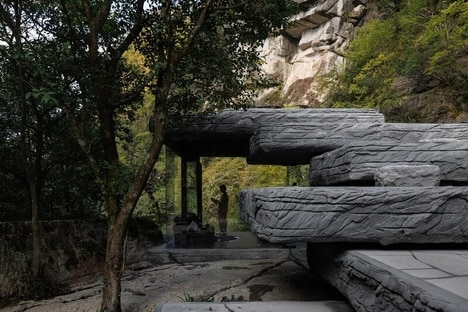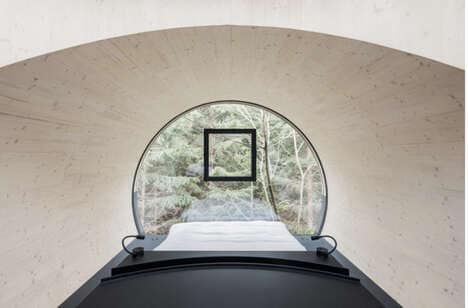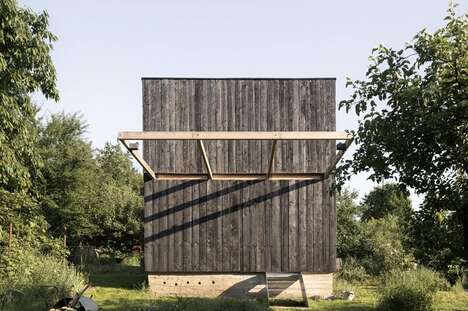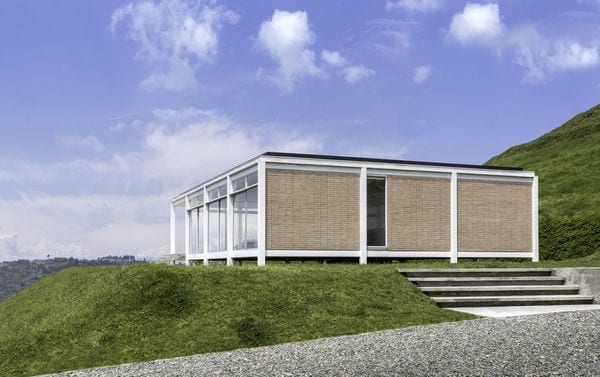
Commissioned to build a guest suite and an artist's studio that are some distance apart, London-based firm Carmody Groarke adds a 40-meter subterranean passage. The former task embodies the development of a welcoming pavilion-like structure that is situated on a lake and houses a bedroom, a bathroom and a small kitchen. The latter structure boasts a redesign of an 18th-century farmhouse. The ruin-like aesthetic of the artist's studio is apparent with the combination of brick and weathering steel which instills an old-timey character and a handmade quality.
Carmody Groarke connects the two pavilions with the subterranean passage that is not only a childhood novelty but also a means of offering "a very special and secluded experience."
Photo Credits: Johan Dehlin
Why This Trend Is Growing
- Subterranean Passages
- Incorporating subterranean passages into architectural designs can offer a unique and exclusive experience for guests and visitors.
- Ruin-like Aesthetics
- The use of weathered materials and rustic designs can add an old-world quality to modern architectural structures.
- Combination Structures
- Combining multiple structures to create a cohesive living or working space can offer unique opportunities for architectural creativity.
Industries Being Reshaped
- Architecture
- The incorporation of subterranean passages and rustic aesthetic elements presents opportunities for architects to create innovative and personalized designs.
- Hospitality
- Using subterranean passages and rustic aesthetics in hotel or resort designs can provide an exclusive and memorable experience for guests.
- Art
- Combining studio and living spaces can offer artists a unique and inspiring environment for creativity.