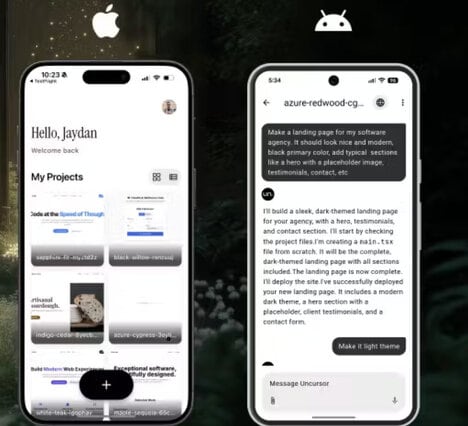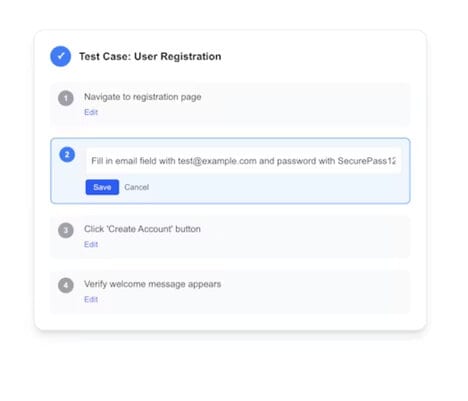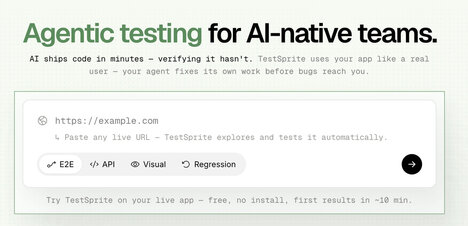
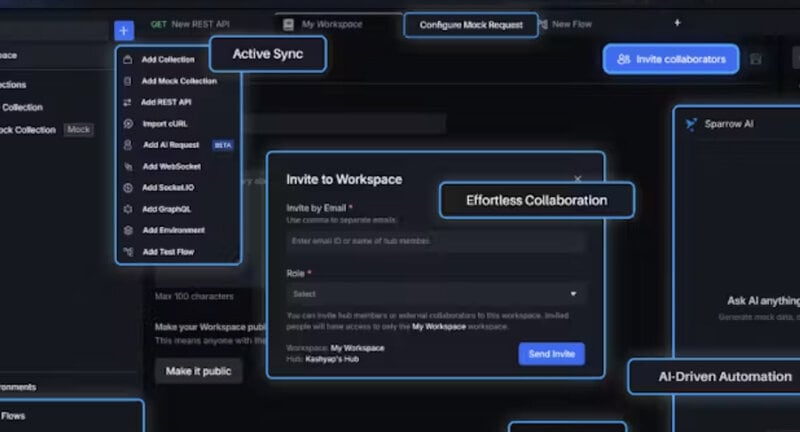
Testing APIs can become complicated when developers have to switch between multiple tools, configure requests manually, and manage increasingly complex testing workflows. Sparrow is an AI-powered API testing platform designed to make the process lighter, faster, and easier to manage.
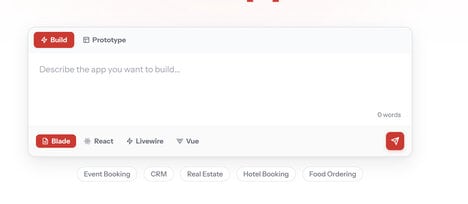
Users can create API calls using natural language, making it possible to describe what they want to test without manually setting up every request. The platform is also designed around speed and clarity, with a streamlined interface that avoids unnecessary features and clutter. Sparrow supports self-hosting as well, giving teams more control over how and where their API testing environment operates. By combining AI-powered requests with modern testing capabilities and flexible deployment options, Sparrow aims to provide developers with a simpler way to test and work with APIs.
Image Credit: Sparrow
Key Themes Behind This Trend
- Natural-language Testing
- Natural-language interfaces are reducing the technical friction of API testing, creating room for tools that translate developer intent into executable workflows.
- Self-hosted Developer Tools
- Self-hosted software is gaining relevance as engineering teams seek greater control over data, infrastructure, and compliance-sensitive testing environments.
- Streamlined Devops Interfaces
- Minimalist platform design is reshaping developer productivity by replacing feature-heavy workflows with faster, clearer, and more focused testing experiences.
Where This Applies
- Software Development
- AI-assisted API platforms are changing how development teams build, validate, and maintain integrations across increasingly complex software ecosystems.
- Devops Automation
- Automated testing workflows are expanding opportunities for faster release cycles, reduced manual configuration, and more reliable continuous delivery pipelines.
- Cloud Infrastructure
- Flexible deployment models are influencing cloud and hybrid infrastructure strategies by supporting API testing environments that align with security and operational needs.