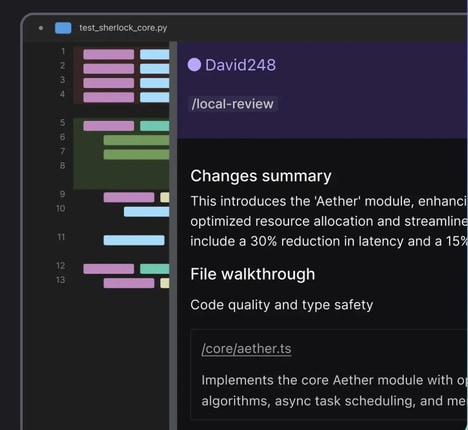
Sonar is bringing its agentic code governance capabilities to self-managed enterprise environments with SonarQube Server 2026.5 LTA. The platform allows organizations to guide AI coding agents with project-specific context and constraints, independently verify generated code, identify security and logic flaws, and automate selected remediation tasks. These capabilities can operate on infrastructure controlled by the enterprise, including on-premise, air-gapped, and VPC-restricted environments, helping companies retain greater control over sensitive code and data.
The release addresses a growing need for oversight as businesses increase their use of AI-generated software. Centralizing agent guidance, verification, remediation, and compliance evidence can reduce reliance on separate development tools while supporting governance requirements. For Sonar, extending its agentic capabilities beyond the cloud broadens its enterprise market, particularly among organizations with strict security, data sovereignty, or infrastructure requirements..
Image Credit: Sonar
Key Themes Behind This Trend
- On-premise AI Governance
- Enterprise-controlled AI oversight creates openings for secure platforms that verify automated outputs without exposing proprietary code or sensitive data.
- Agentic Code Verification
- Independent validation of AI-generated software signals demand for tools that detect logic flaws, vulnerabilities, and compliance gaps before deployment.
- Air-gapped Developer Automation
- Restricted infrastructure environments are becoming viable markets for intelligent development systems that operate without cloud dependency.
Where This Applies
- Software Development
- AI-assisted coding is reshaping engineering workflows through embedded governance layers that standardize quality, security, and remediation.
- Cybersecurity
- Code-level risk detection expands security opportunities around automated verification, policy enforcement, and auditable development controls.
- Enterprise IT
- Self-managed infrastructure requirements are driving interest in AI platforms designed for data sovereignty, compliance evidence, and internal system control.