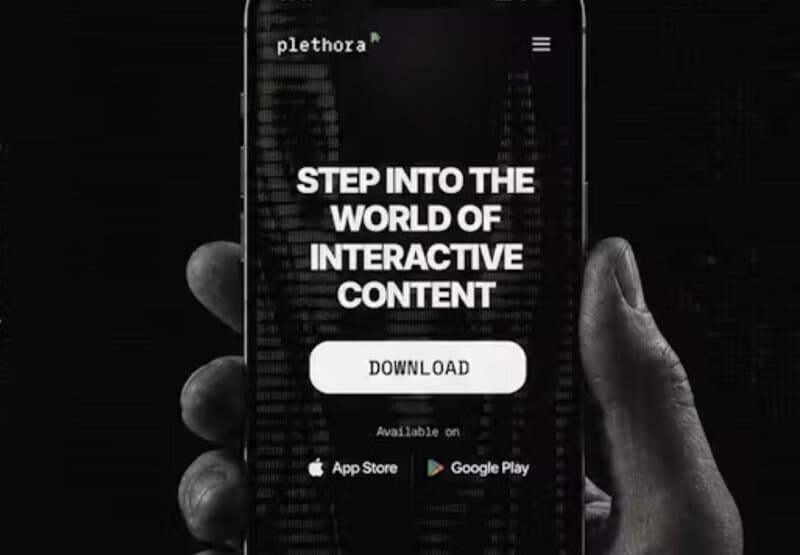
Most online content is designed to be watched or read, but interactive experiences can offer a more hands-on way to explore ideas and entertainment. Plethora is a platform for interactive content built around a feed of small, self-contained experiences that users can actively engage with. Its content includes mini-games, puzzles, digital fidgets, interactive art, tiny virtual worlds, and educational simulations.
Rather than simply scrolling past static posts, users can touch, move, and experiment with the individual experiences in the feed. The platform is designed around content that responds to what users do, making each interaction part of the experience itself. Plethora offers creators a way to build and share small interactive projects without having to fit them into the traditional formats of videos, articles, or social media posts. By bringing these micro-experiences into a feed-based format, Plethora aims to make interactive content easier to discover, explore, and share.
Image Credit: Plethora
What's Driving This Trend
- Micro-interactive Feeds
- Feed-based collections of small responsive experiences create new space for engagement models that sit between passive social scrolling and full-scale apps.
- Creator-built Mini Experiences
- Lightweight tools for publishing games, simulations, and interactive art lower barriers for independent creators to experiment beyond video, text, and image formats.
- Playable Learning Moments
- Short educational simulations and puzzles make knowledge exploration more tactile, opening possibilities for casual learning embedded directly into everyday digital browsing.
Who This Affects Most
- Social Media
- Interactive post formats could reshape user attention by turning content feeds into participatory environments rather than streams of passive media.
- Digital Entertainment
- Bite-sized games, fidgets, and virtual worlds introduce alternative entertainment formats that compete with short-form video through touch, play, and experimentation.
- Education Technology
- Compact simulations within discovery-driven platforms provide new pathways for experiential learning that feel more like exploration than formal instruction.