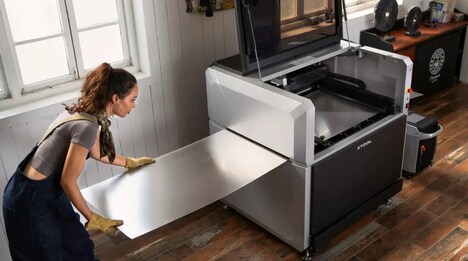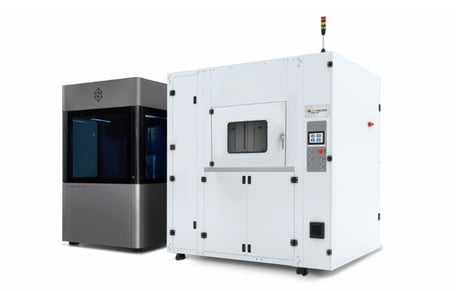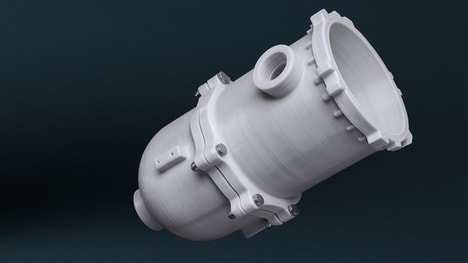
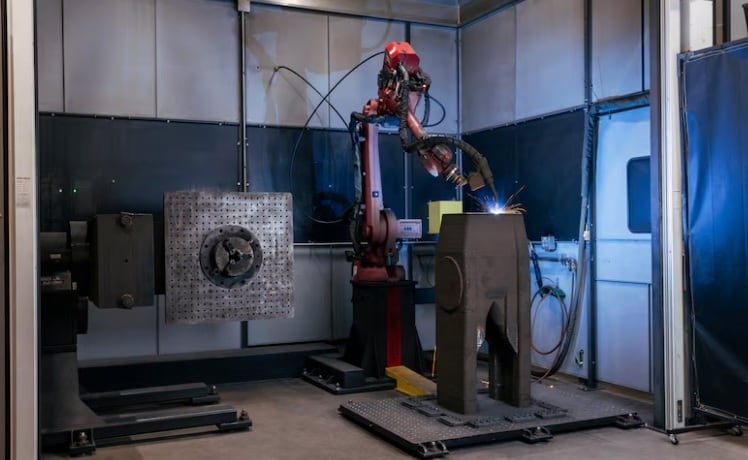
Lincoln Electric’s SculptPrint™ large-format wire-arc additive manufacturing (WAAM) system printed a replacement 12-foot lever arm for the U.S. Army Corps of Engineers at the Soo Locks, featuring welded, near-net metal sections that were machined and joined for final installation. The part had been quoted as an 18-month casting; SculptPrint™ enabled a print-to-install timeline of about three months during the 2024 maintenance window.
The WAAM process produced the lever in two seven-foot segments that were welded and machined together, reducing material waste by printing near-net shapes and allowing complex, heavy geometry measured in feet rather than inches. Lincoln Electric has applied the approach to aerospace tooling and government work and announced related partnerships and investments to expand capacity for parts up to 20,000 pounds.
For operators facing long casting lead times, large-scale WAAM delivers faster replacements that keep critical infrastructure online and avoid costly shutdowns. The technology matters where size, weight and speed converge, offering an alternative for heavy structural parts that traditional casting can’t supply quickly.
Image Credit: Lincoln Electric
Why This Trend Is Growing
- Large-format WAAM Adoption
- The scaling of wire-arc additive manufacturing to multi-foot, multi-thousand-pound components enables rapid production of parts that traditionally required months-long casting lead times.
- Near-net Metal Printing
- Combining near-net WAAM deposition with targeted machining reduces material waste and shortens overall production cycles for complex, heavy geometries.
- Distributed Rapid Replacement Manufacturing
- Localized, large-part printing and welding workflows allow critical infrastructure components to be produced close to the point of need, minimizing downtime from long supply chains.
Industries Being Reshaped
- Infrastructure and Waterway Maintenance
- Locks, dams, and other heavy civil assets can benefit from on-demand large-part fabrication that replaces long-cast lead times and keeps transportation networks operational.
- Aerospace Tooling and Manufacturing
- Tooling and large fixtures with complex, load-bearing shapes can be produced quicker and with less material loss than traditional fabrication routes.
- Defense and Government Procurement
- Government maintenance programs and military logistics are positioned to exploit rapid, in-region production of oversized replacement parts that bypass extended supplier timelines.