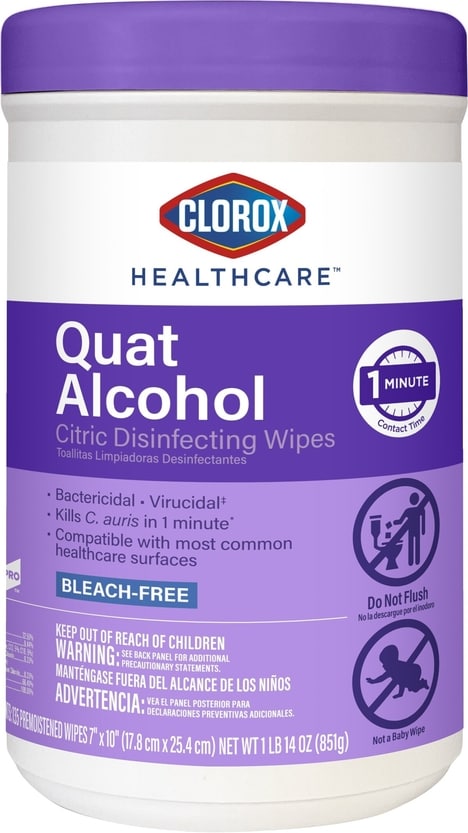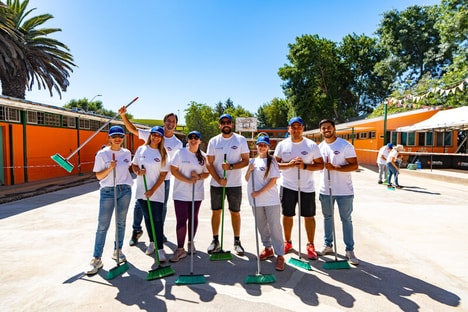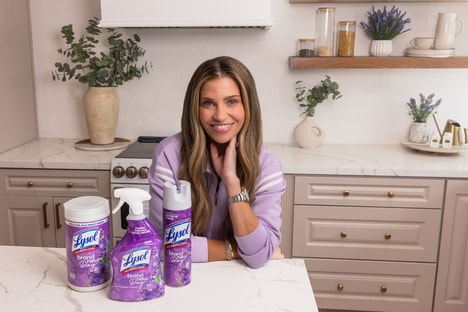

School wellness partnerships are expanding beyond classroom hygiene by connecting health initiatives with family engagement and educational experiences. Through its HERE for Healthy Schools program, Lysol has introduced the Quality Time Off Grant, providing funding for PTA-led activities at high-need elementary schools while donating disinfecting products to help reduce the spread of illness. The brand is also extending its Buy One, Give One campaign, supplying classrooms with disinfecting wipes as families prepare for the back-to-school season. By linking healthier learning environments with opportunities for students and parents to participate in school events, Lysol positions wellness as a contributor to stronger school communities rather than simply cleanliness.
For businesses, combining social impact with product distribution can deepen consumer trust while supporting measurable community outcomes. As purpose-driven marketing evolves, more brands may develop long-term education partnerships that unite product access, philanthropy, and family engagement.
Image Credit: Lysol
What's Driving This Trend
- School Wellness Ecosystems
- Brands are broadening hygiene programs into connected school wellness models where product access, health education, and family participation reinforce community trust.
- Purpose-led Product Distribution
- Consumer goods companies can pair donations with measurable social programs, turning routine product placement into a credibility-building community impact channel.
- Family-centered Education Partnerships
- Health-focused school initiatives are creating new pathways for parent engagement, positioning everyday wellness support as part of broader educational experience design.
Who This Affects Most
- Consumer Packaged Goods
- Household care brands have opportunities to differentiate through embedded social impact models that connect product utility with institutional partnerships.
- Education
- Elementary schools and PTAs are becoming collaboration hubs for wellness funding, family events, and preventive health resources that extend learning beyond academics.
- Public Health
- Community health organizations can benefit from brand-backed school programs that merge illness prevention, resource access, and localized engagement strategies.