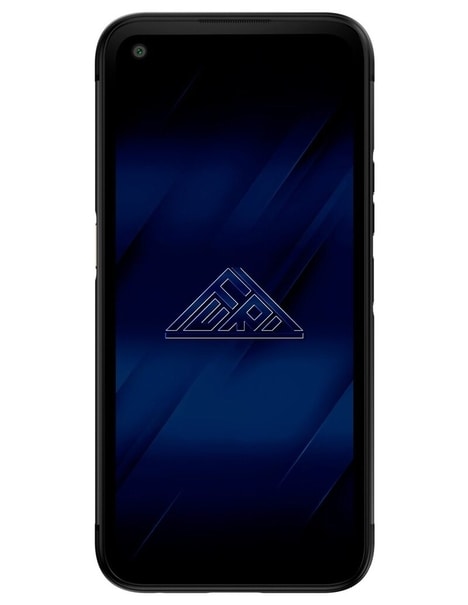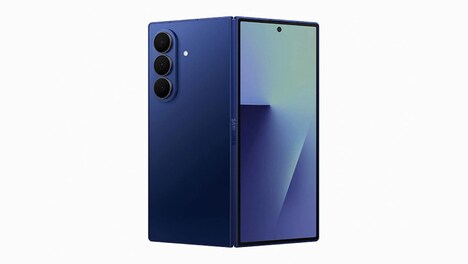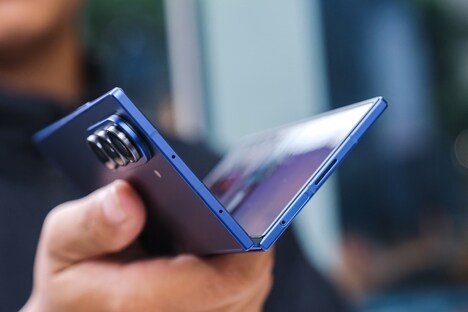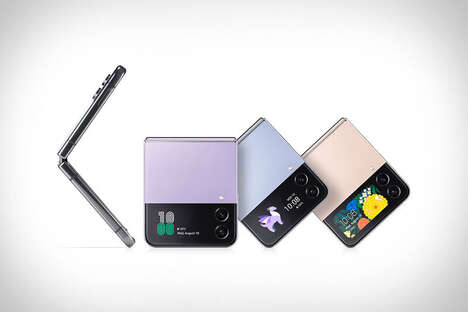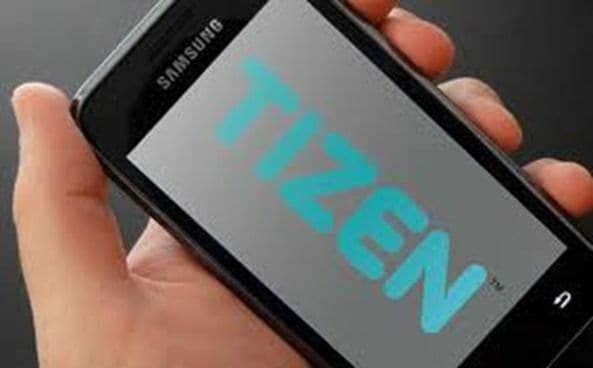
South Korean tech firm Samsung unveiled the Samsung Z, the first ever Samsung device that runs on the open source Tizen operating system. Unlike the popular Galaxy series, the Samsung Z does not run Android but instead works on Tizen.
The Samsung Z is powered by a 2.3 GHz quad core CPU with 2 GB of RAM and either 16 GB or 32 GB of storage. A microSD card slot allows storage capacity to be expanded to up to 64 GB. The phone runs on a 2,600 mAh battery.
The phone also features 8 MP and 2.1 MP cameras on the rear and front respectively. It is also equipped with a range of sensors including an accelerometer, gyroscope, fingerprint scanner and heart rate sensor.
Key Themes Behind This Trend
- Open Source Mobile Devices
- The rise of open source mobile devices creates opportunities for tech companies to innovate new business models and enahance technological capabilities.
- Tizen Operating System
- Collaboration with Tizen operating system could offer companies the opportunity to create tailored, customizable, and independent applications, making them attractive to customers seeking alternative mobile experiences.
- Hardware-software Integration
- The growth of open source mobile devices creates exponential growth in the need for hardware-software integration, presenting opportunities for firms that can innovate the most effective and efficient integration solutions.
Where This Applies
- Telecommunications
- Telecom companies could consider partnering or creating their own open source mobile device that utilizes Tizen for an innovative mobile experience.
- Hardware Manufacturing
- Hardware manufacturing companies could benefit greatly from the trend towards open source mobile devices due to the increased demand for customized components.
- Online Marketplaces
- Online marketplaces could expand their product offerings to include open source mobile devices with Tizen capabilities to attract consumers seeking alternatives to mainstream devices.