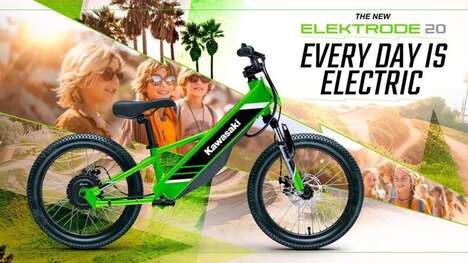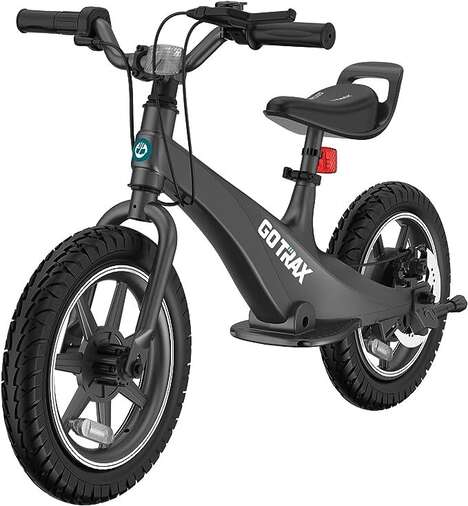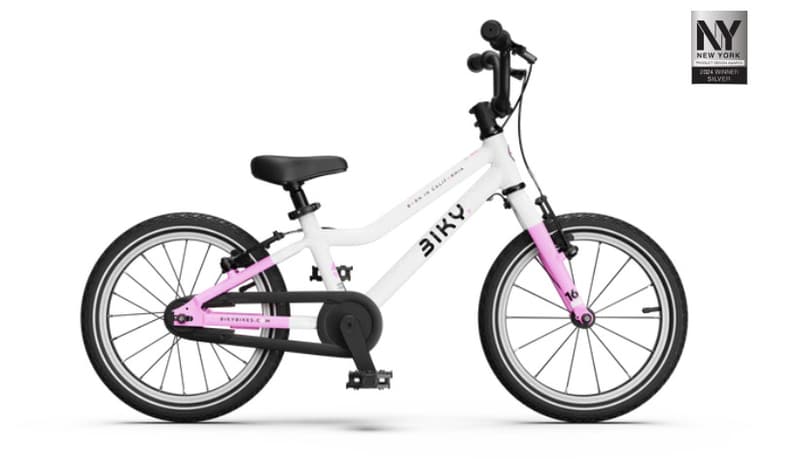
Biky! is rethinking children’s bicycles with ultra-lightweight models engineered specifically for riders ages three to eight. Rather than scaling down adult bikes, the brand applies a reduction-focused approach—minimizing frame weight to improve control, braking, and overall stability. Features like short-reach brake levers, narrower pedal stance, and child-specific geometry ensure that each component aligns with a young rider’s proportions. By replacing coaster brakes with hand brakes, Biky! also accelerates skill development, helping children transition more seamlessly to standard bikes.
This approach reflects a broader shift toward performance-driven youth products that prioritize usability over tradition. As outdoor play competes with screen time, intuitive design becomes a key driver of engagement and retention. Biky!’s model signals opportunity for brands to rethink “scaled-down” products, emphasizing ergonomics, capability-building, and long-term consumer confidence from an earlier age.
Image Credit: Biky!
Why This Trend Is Growing
- Ultra-light Youth Mobility
- Extremely low-weight constructions for young riders create potential for new mobility categories that prioritize confidence and control over mere size reduction.
- Child-centric Ergonomics
- Designs tailored to children's proportions and reach create room for products that enhance usability and reduce injury risk through refined geometry and component scaling.
- Skill-accelerating Design
- Integrating features that intentionally promote rapid motor-skill development fosters product lines that bridge novice and standard adult equipment more seamlessly.
Industries Being Reshaped
- Children's Bicycle Manufacturing
- Manufacturers can explore advanced alloys and composite frames sized for kids to deliver lighter, safer, and higher-performing bikes that change expectations for youth mobility.
- Sporting Goods Retail
- Retailers focusing on performance-oriented youth gear may capture repeat buyers by stocking ergonomically optimized, progression-focused products that extend customer lifetime value.
- Early Childhood Education Toys
- Educational toy makers have room to develop play equipment that doubles as developmental tools, leveraging ergonomic and skill-focused design to support physical learning milestones.