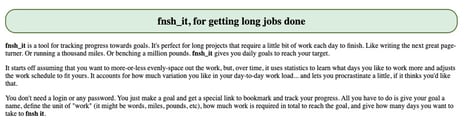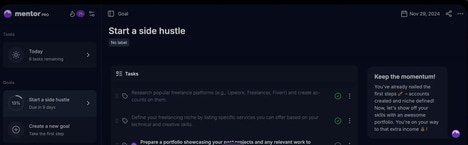
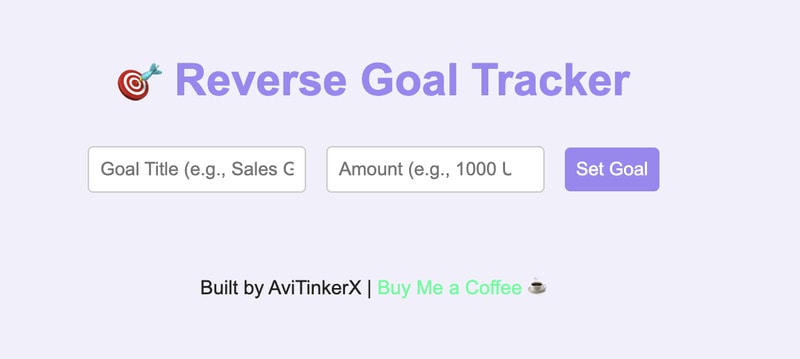
Reverse Goal Tracker is a lightweight, open-source tool designed to help users track progress toward any goal using a reverse methodology. Rather than planning forward from a starting point, this approach begins with the desired outcome and works backward, breaking the goal into sequential pathways that can be monitored individually.
The platform presents a clear visual representation of progress, allowing users to see how close they are to completing each step in the reverse sequence. Built with HTML, the tool is accessible without heavy software requirements and can be adapted or extended by developers via its open-source GitHub repository. Its simplicity and modularity make it suitable for personal productivity, project management, or professional goal-tracking workflows where understanding the steps required to achieve an outcome is critical.
Image Credit: Reverse Goal Tracking
What Makes This Trend Stand Out
- Reverse Goal-setting Methodology
- This backward planning approach shifts the focus from starting steps to desired outcomes, encouraging users to map out necessary actions for goal completion more effectively.
- Open-source Productivity Tools
- By offering adaptability and customization through open-source code, these tools empower developers to tailor solutions to specific user needs, driving innovative collaborations.
- Visual Progress Tracking
- Providing a clear visual of each goal's progress enhances user understanding and motivation, offering opportunities to integrate with interfaces that emphasize goal visualization.
Sectors Adopting This
- Project Management Software
- Incorporating reverse goal-setting features into existing platforms could redefine strategic planning processes and enhance project outcomes.
- Personal Productivity Apps
- These applications can benefit from integrating reverse tracking methodologies to innovate how users achieve their personal and professional aspirations.
- Open-source Development Communities
- The embrace of lightweight, adaptable tools presents new frontiers for community-led enhancements, fostering a culture of shared learning and continuous improvement.