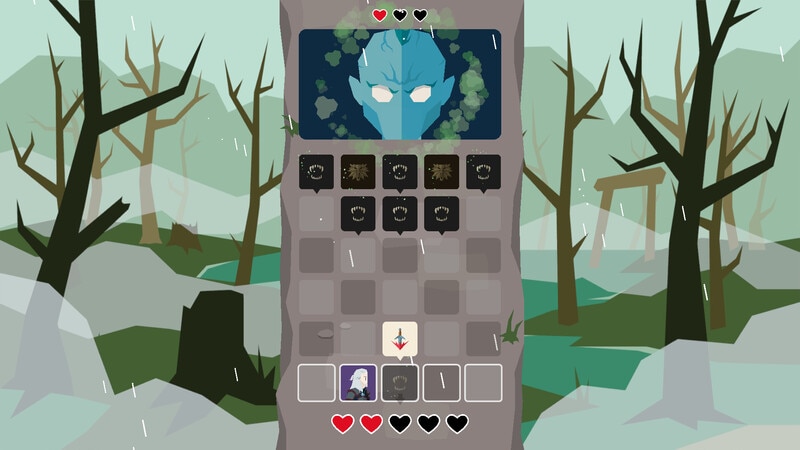
Reigns: The Witcher is a singleplayer, choice-driven card game developed by French studio Nerial in collaboration with CD Projekt Red, featuring Dandelion framing Geralt’s saga as performative ballads. The game adapts characters from The Witcher video games and inserts playful touches into the narrative, with unique elements such as a stuffed unicorn appearing in certain scenes.
Nerial leaned on mythology and medieval poetry when expanding the setting, drawing on sources like Marie de France and Provençal folklore while remixing quests from The Witcher 3. Gameplay maps decisions to four meters tracking human, nonhuman, mage and monster-hunting favor, and new rhythmic monster fights add active dodge-and-catch mechanics to the Reigns formula.
For players this offers a portable, narrative-first spin on Geralt’s world that emphasizes consequences and replayability; it also signals how established IP can be reinterpreted through compact card-based systems for handheld audiences.
Image Credit: CD Projekt Red
What's Driving This Trend
- Card-based Narrative Adaptations
- A compact card format is being used to translate expansive game narratives into choice-driven, replayable micro-experiences that preserve character depth while simplifying mechanics.
- Rhythmic Combat Mechanics
- Timing-focused dodge-and-catch encounters are merging rhythm-game sensibilities with RPG combat to create accessible yet skillful engagement loops.
- Portable IP Remixing
- Established franchises are being reinterpreted for handheld audiences by distilling core lore and motifs into bite-sized, stylistically distinct presentations.
Who This Affects Most
- Mobile Gaming
- Handheld-first adaptations are driving demand for lightweight engines and design paradigms that enable deep narrative play on constrained devices.
- Tabletop and Card Publishers
- Publishers are positioned to leverage digital card formats and narrative scaffolding to create hybrid physical-digital products that repackage known IPs.
- Licensing and IP Management
- Rights holders are finding value in flexible licensing that permits experimental reworks of canonical material into new genres and form factors.