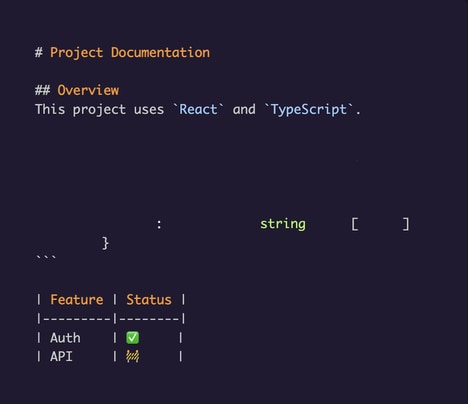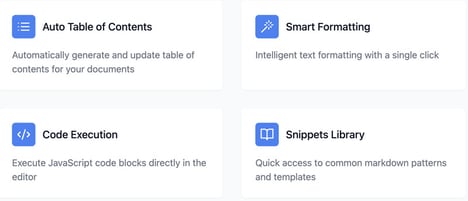
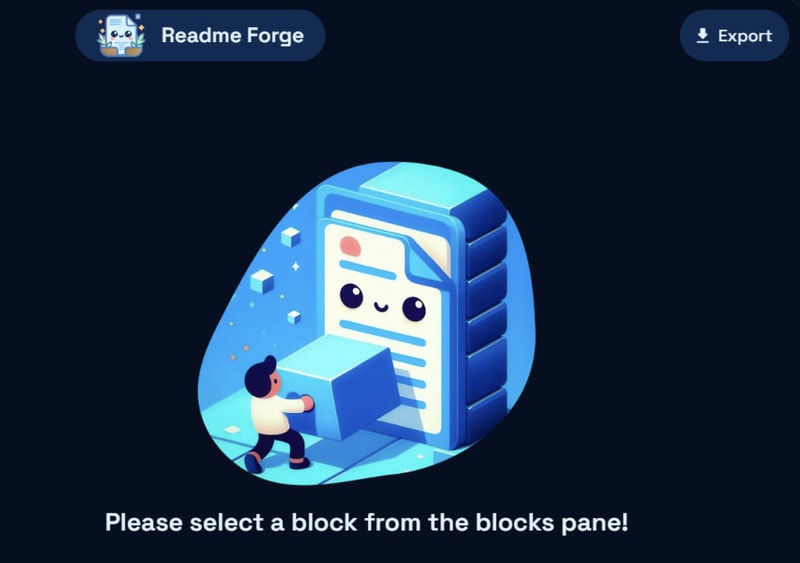
Readme Forge is a web-based application designed to streamline the creation of README files for software projects. It uses a component-based approach, allowing users to assemble sections from a rich library of pre-designed blocks and templates.
The platform supports customization through global variables and reusable templates, enabling consistent branding and documentation standards across projects. From a business perspective, Readme Forge reflects the growing demand for tools that improve developer efficiency, standardize project documentation, and reduce repetitive tasks. By simplifying the process of creating clear, visually structured READMEs, it helps teams communicate technical details, usage instructions, and project context more effectively. The tool also supports collaboration and knowledge sharing within development teams, illustrating how automation and templating can enhance workflow efficiency and project transparency in software development environments
Image Credit: Readme Forge
Why This Trend Is Growing
- Component-based Documentation
- The shift towards component-based documentation that leverages pre-designed blocks highlights the growing trend of modularity in software development.
- Customization and Branding in Developer Tools
- Customization features in documentation tools illustrate the push for consistent branding and standards across multiple projects.
- Enhanced Developer Efficiency Through Automation
- Automation in the creation of README files represents a trend aiming to reduce repetitive tasks and boost efficiency within development teams.
Industries Being Reshaped
- Software Development Tools
- The industry is witnessing innovations in tools that cater to collaborative and efficient software documentation processes.
- Business Software Solutions
- Solutions that provide customizable documentation reflect trends addressing business needs for standardized communication and branding.
- Cloud-based Collaboration Platforms
- The growth of web-based applications for documentation signals a disruptive shift towards cloud-centric, collaborative workflows in development environments.