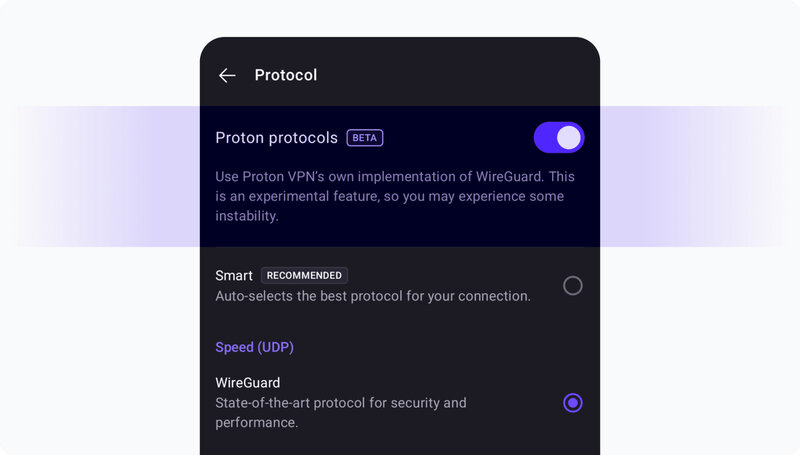
Proton is introducing future-ready VPN protocols through a rebuilt client-side codebase designed to improve performance, reliability and censorship resistance across its apps. Available through Proton VPN’s beta apps, the new foundation allows the company to deploy features more consistently across Windows, Android, iOS, iPadOS and Linux. It also brings Proton’s censorship-resistant Stealth protocol to Linux and establishes technical groundwork for planned post-quantum encryption, preparing the service for evolving digital security threats.
For Proton, rebuilding the underlying VPN core creates a more flexible platform for developing and deploying security capabilities across multiple operating systems. Faster feature rollouts can reduce fragmentation between apps while helping the company respond more quickly to censorship and emerging privacy risks. The architecture also gives Proton a foundation for future encryption upgrades, strengthening its positioning among consumers seeking long-term privacy and secure internet access.
Image Credit: Proton
What's Driving This Trend
- Post-quantum Privacy
- Future encryption-ready VPN foundations reflect a growing market for consumer security tools that anticipate quantum-era decryption risks before they become mainstream threats.
- Censorship-resistant Access
- Stealth connectivity protocols create opportunities for privacy platforms to serve users in restrictive digital environments where conventional VPN traffic is increasingly blocked or monitored.
- Cross-platform Security Cores
- Unified client architectures are reshaping cybersecurity product development by reducing feature fragmentation and improving consistency across operating systems.
Who This Affects Most
- Cybersecurity
- Privacy-focused infrastructure upgrades signal demand for security vendors that can adapt rapidly to evolving surveillance, censorship and encryption challenges.
- Consumer Software
- Reliable multi-device VPN performance highlights the value of software ecosystems that deliver consistent protection across desktop and mobile platforms.
- Telecommunications
- Network access providers face emerging pressure from encryption-focused services that redefine user expectations around private, resilient and unrestricted internet connectivity.