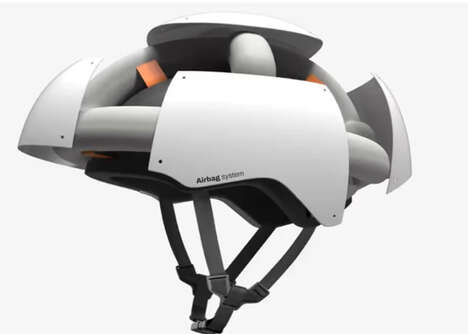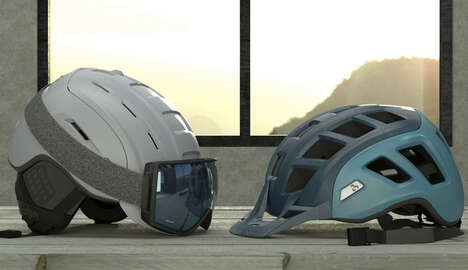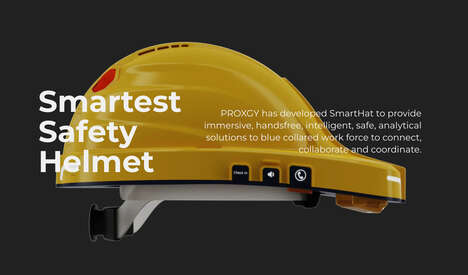
A team of researchers from the University of Pennsylvania recently developed a form of protective headgear that can help determine whether an athlete has suffered head trauma. For many professional athletes, head injuries are a very real concern. Unfortunately, brain injuries can often go undetected and untreated if the person does not display any obvious symptoms.
Scientists at the University of Pennsylvania are making it easier to detect head injuries by outfitting athletes with a special kind of protective headgear. The specially designed helmets are coated in a polymer that changes color when injuries occur. The polymer is made up of a series of photonic crystals that change structure when force is applied. The change in structure ultimately causes the deformed crystals to change color. By providing a visual indication of trauma, the color-changing helmets ensure early detection of head trauma.
What Makes This Trend Stand Out
- Color-changing Protective Gear
- The development of color-changing technology can be applied to other protective gear like padding for more widespread injury detection.
- Smart Sports Wearables
- Incorporating color-changing sensors into wearables like shirts and shorts can enhance injury detection and prevention methods for athletes.
- Medical Technology Innovation
- The use of color-changing polymers and photonic crystals in creating diagnostic devices will continue to evolve as a means of detecting health issues earlier.
Sectors Adopting This
- Sports Equipment
- The sports industry can benefit from this technology by creating safer helmets and gear with the color-changing polymers.
- Wearable Technology
- The development of smart wearables and sensors using this technology can be used for medical or athletic purposes.
- Medical Devices
- Companies can apply this color-changing technology to medical devices and equipment for detection and prevention of various injuries and health conditions.