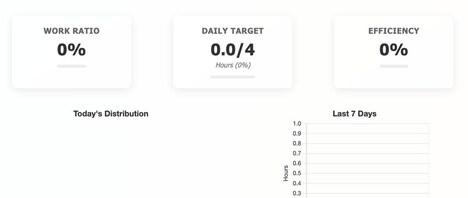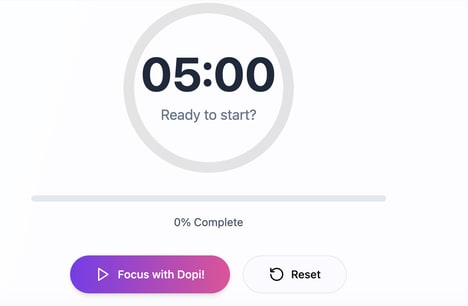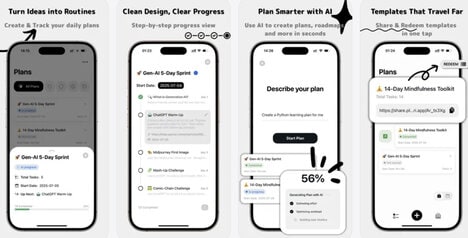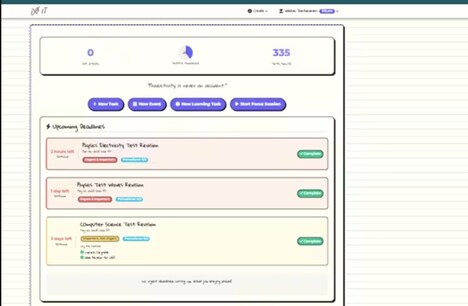
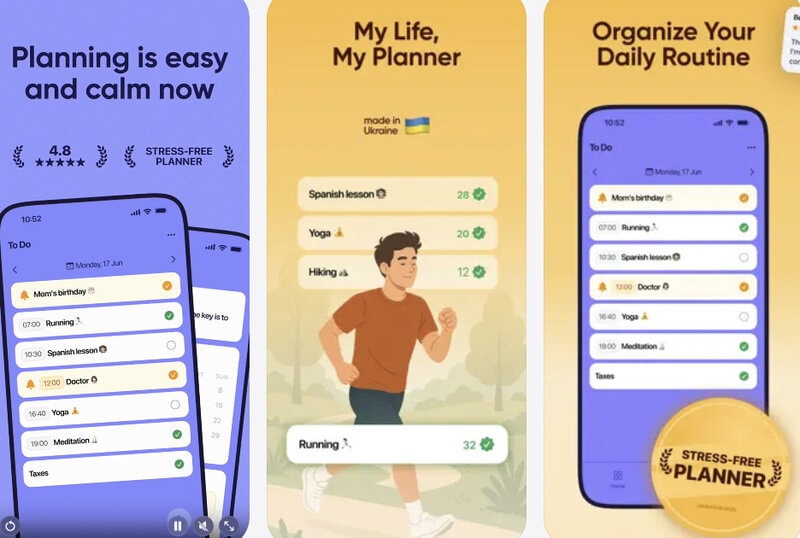
Traditional productivity tools can sometimes create more pressure by making missed tasks feel like failures rather than part of everyday life. Prostir is a stress-free planning app designed to help users organise their time without guilt, overwhelm, or unnecessary complexity.
The platform provides a simple and supportive approach to managing tasks, helping users create plans that fit naturally into their lives. Built around a more human approach to productivity, Prostir encourages users to stay organised while maintaining flexibility and balance. Designed for anyone who wants a calmer way to plan, the app focuses on reducing stress rather than adding more pressure. Prostir helps users build healthier planning habits and create a more positive relationship with productivity. By making organisation feel approachable and rewarding, the app turns planning into a tool for wellbeing rather than another source of stress.
Image Credit: Prostir
What Makes This Trend Stand Out
- Guilt-free Productivity
- Planning tools that normalize missed tasks and flexible timelines create space for digital experiences centered on emotional resilience and sustained user engagement.
- Wellbeing-first Organization
- A growing emphasis on calmer task management reframes productivity software as a wellness companion rather than a performance-tracking utility.
- Supportive Habit Design
- Interfaces built around encouragement, simplicity, and positive reinforcement open new possibilities for planning platforms that strengthen healthier daily routines.
Sectors Adopting This
- Productivity Software
- Task management platforms can differentiate through human-centered systems that reduce pressure while preserving structure and accountability.
- Mental Wellness
- Digital wellbeing providers may find value in integrating planning support that addresses stress, overwhelm, and everyday cognitive load.
- Mobile Apps
- Consumer app ecosystems are increasingly receptive to lightweight tools that combine practical organization with emotionally supportive user experiences.