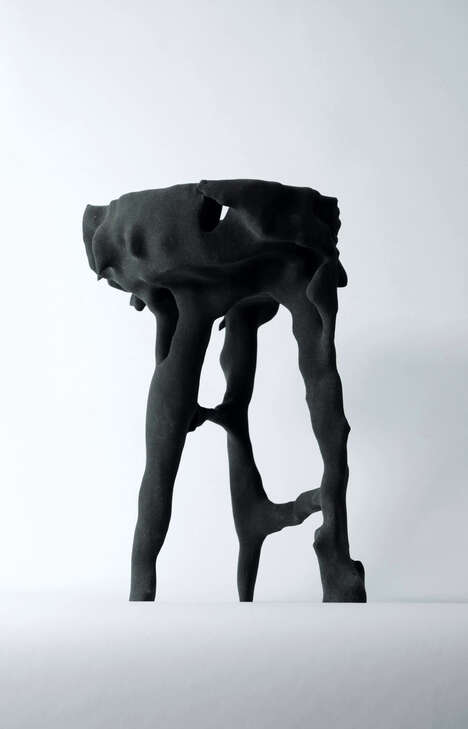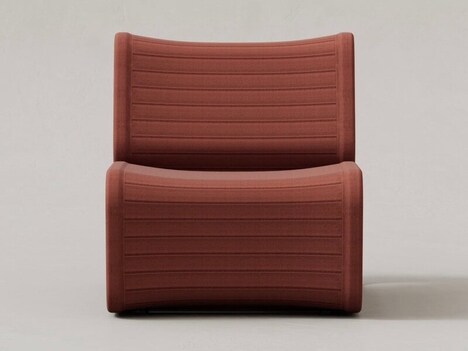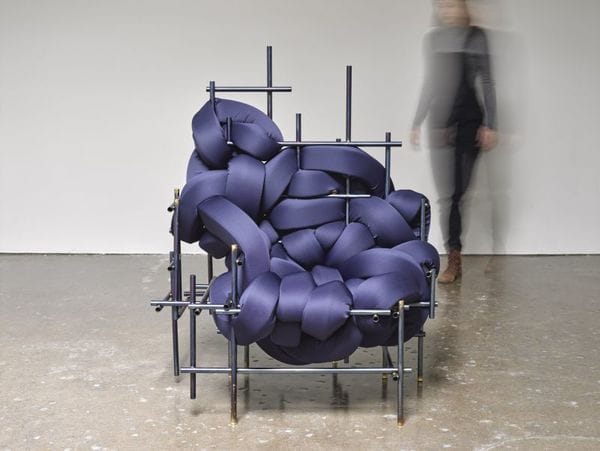


Many manufacturing techniques involve a transformation process, but what's interesting about this pockmarked chair is that the user can see plenty of evidence of this in the finished product. Japanese design studio We+ created the Drought Chair by their own inventive method, comprising a secret ingredient that vanishes before completion.
Small balls of resin are sunken into the initial wax structure of the dining chair. Over the course of about a week, the polymer shrinks and falls out of the material, revealing a unique pockmarked effect in its place. The wax is then put through the delicate lost wax casting technique to render the Drought Chair in a robust bronze. The method is quite a hands-on one, so isn't it fascinating how it comes to resemble a 3D-printed chair?
What's Driving This Trend
- Transformation Techniques
- Exploring manufacturing techniques that involve a transformation process can lead to innovative design opportunities.
- Inventive Materials
- Creating seating objects with unique materials, such as a disappearing resin, can offer a new way to engage users.
- Delicate Craftsmanship
- Combining traditional craftsmanship techniques with modern design concepts can result in captivating and visually appealing products.
Who This Affects Most
- Furniture Manufacturing
- In the furniture manufacturing industry, incorporating innovative methods like the pockmarked effect can differentiate products and attract customers.
- Design Studio
- Design studios have an opportunity to experiment with inventive materials and techniques to create visually striking and unique furniture pieces.
- Art and Sculpture
- The art and sculpture industry can explore the integration of traditional craft methods and modern design concepts to produce stunning and thought-provoking pieces.