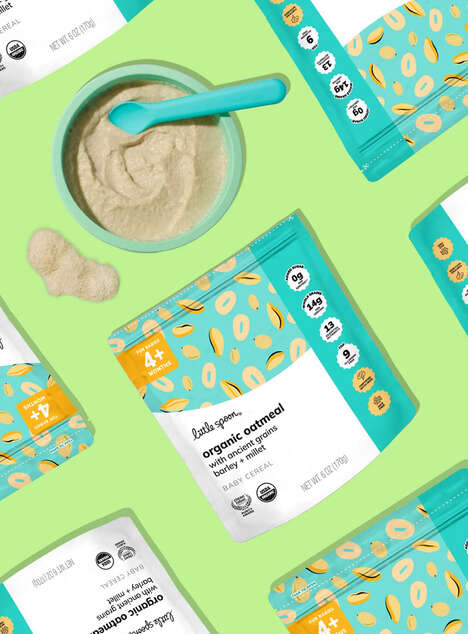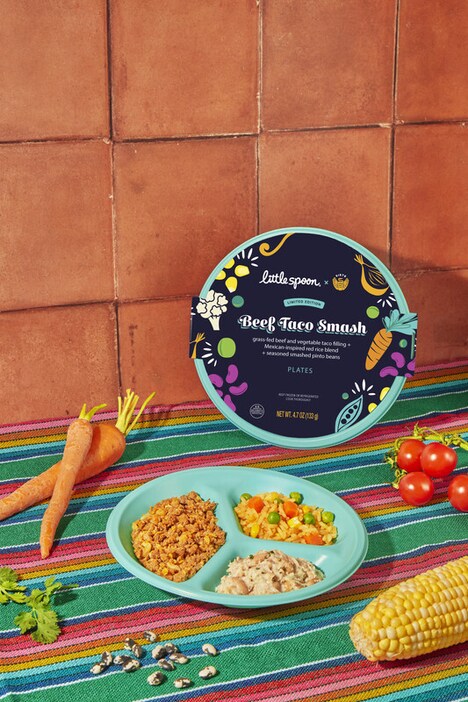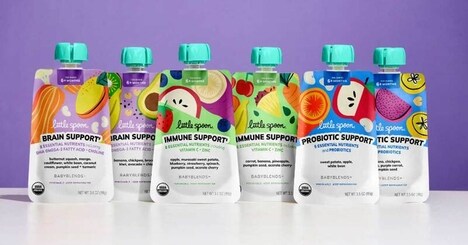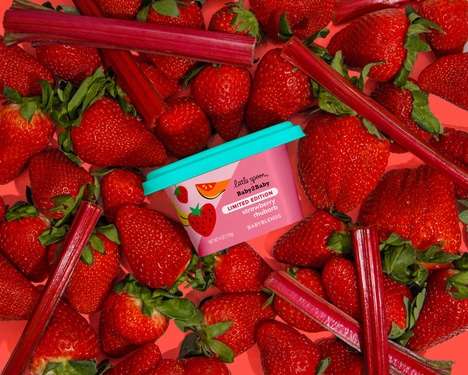
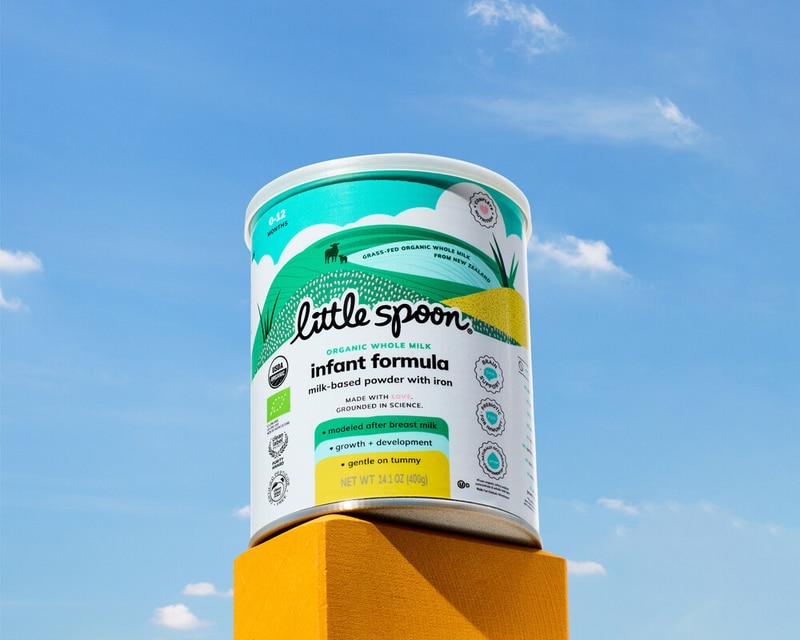
At a time when parents are intensely scrutinizing formula safety and ingredient standards, baby and kids food company Little Spoon is expanding into infant formula with its very own Organic Grass-Fed Whole Milk Infant Formula. According to company research, just 9% of United States parents say they trust baby and kids food brands, and Little Spoon is on a mission to increase clarity and confidence.
Every batch of Little Spoon's infant formula undergoes independent testing for over 500 potential toxins and contaminants, including heavy metals, pesticide residues, and microbiological pathogens. What's more, Little Spoon is the first infant formula brand to publicly define its safety standards, and voluntarily tests for Sulfite-Reducing Clostridia, a group of spore-forming bacteria used as an indicator of organisms that can cause botulism.
Why This Trend Is Growing
- Transparency-first Labeling
- Growing consumer demand for fully disclosed ingredient origins and safety standards highlights opportunities for brands to differentiate through verifiable, public-facing product transparency.
- Independent Third-party Testing
- An increase in routine, independent testing for contaminants and pathogens creates potential for standardized testing-as-a-service offerings tailored to sensitive categories like infant nutrition.
- Grass-fed Organic Ingredient Sourcing
- Rising interest in grass-fed, organic dairy inputs illustrates room for vertically integrated supply models that guarantee provenance and consistent nutritional profiles.
Industries Being Reshaped
- Infant Nutrition
- Heightened parental scrutiny of safety and trust metrics points to demand for product lines and brands that embed scientific validation and traceability into infant formula offerings.
- Food Testing Laboratories
- Expanding requirements for broad-spectrum contaminant screening signal growth potential for labs offering rapid, validated panels and transparent reporting tailored to consumer-facing food brands.
- Supply Chain Traceability Technology
- The need to verify grass-fed and organic claims presents opportunities for blockchain, IoT, and digital-certification platforms that record and communicate ingredient provenance to end consumers.