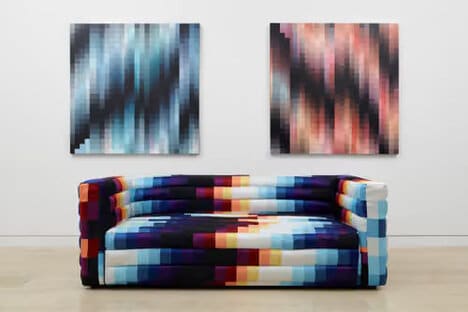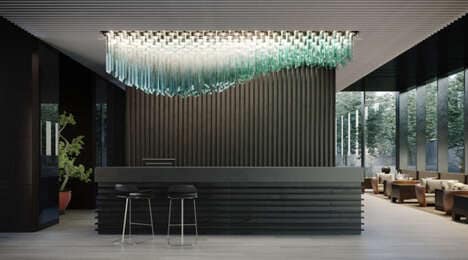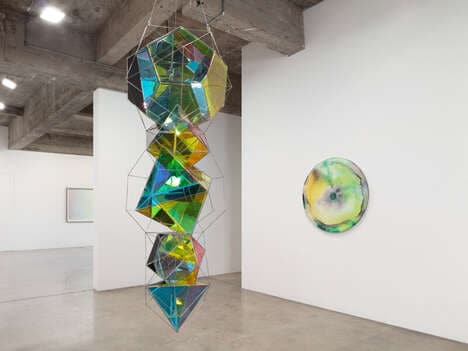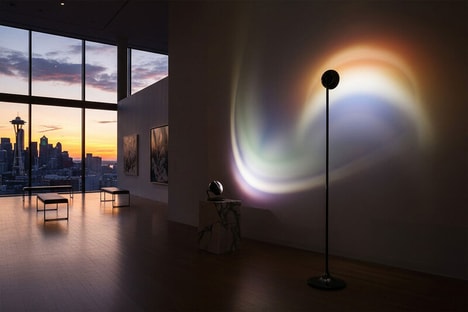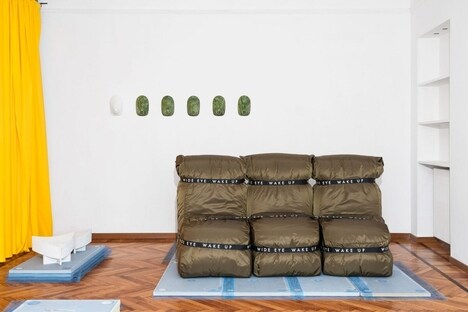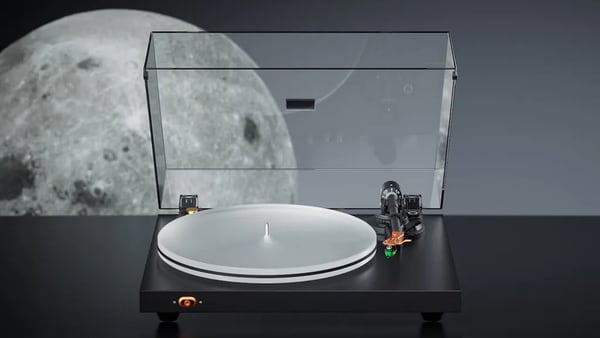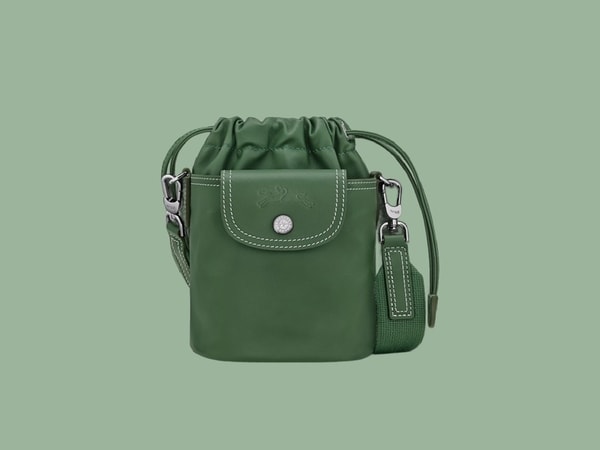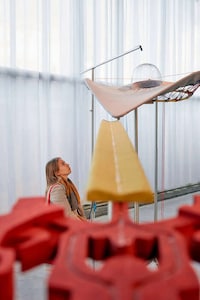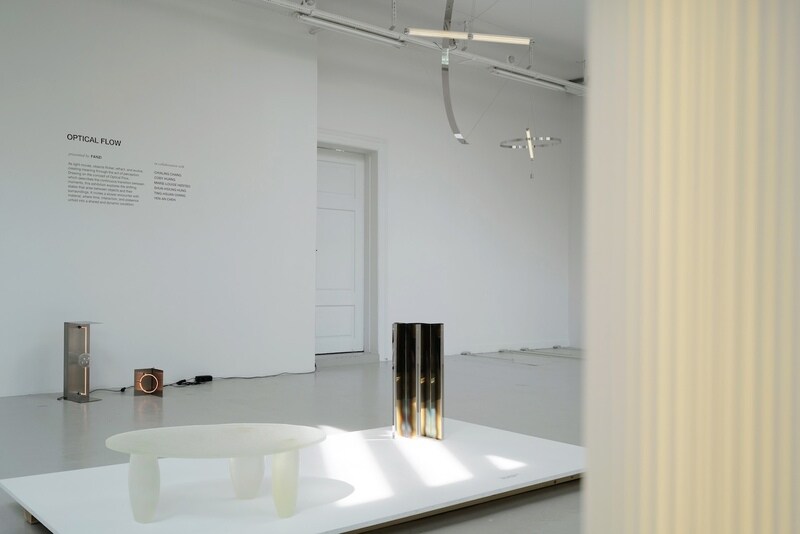
The Optical Flow exhibition dissolves the line between art and utility through installations that feel alive across perception. Presented by FANZI at 3daysofdesign, this showcase features Taiwanese designers Yen-An Chen, Coby Huang, Ting-Hsuan Chang, and Shun-Hsiung Hung, and Danish designer Marie-Louise Høstbo, who blend visual computing concepts—like pixel movement and flow—with everyday objects, inviting the eye to see, pause, and shift.
Objects like lamps, tables, and sculptural furniture become dynamic through light, reflection, and material interplay. Each piece responds to surroundings and presence, refracted by context and changing gaze. Works like Marie-Louise Høstbo’s yoga storage system turn everyday rituals into quiet ceremonies—where storage feels intentional and ritualistic. This presentation questions the static nature of utilitarian design, offering instead a sensory meditation where function emerges from fluid perception. Optical Flow reframes design as a living, moving experience—not fixed in form but ever-revealing through interaction.
Image Credit: FANZI
Key Themes Behind This Trend
- Living Objects
- Art installations transform everyday objects like lamps and tables into responsive, interactive pieces that adapt to their environment.
- Visual Computing in Art
- Innovative designs integrate pixel movement and visual computing concepts to create artworks that engage viewers through dynamic visual experiences.
- Meditative Design
- Designs that imbue everyday items with a sense of ritual and ceremony are challenging the traditional boundaries between utility and mindful interaction.
- Adaptive Environments
- Spaces and objects that change and evolve with user interaction encourage a new form of engagement where aesthetics and function coexist.
Where This Applies
- Interior Design
- The integration of kinetic art into furniture and decor provides a new avenue for creating interactive and engaging living spaces.
- Art and Technology
- This merging of visual computing with traditional art forms represents a disruptive innovation in how art is created and experienced.
- Consumer Electronics
- The incorporation of light and material interplay into everyday objects suggests potential advancements for functional and aesthetic home technology solutions.