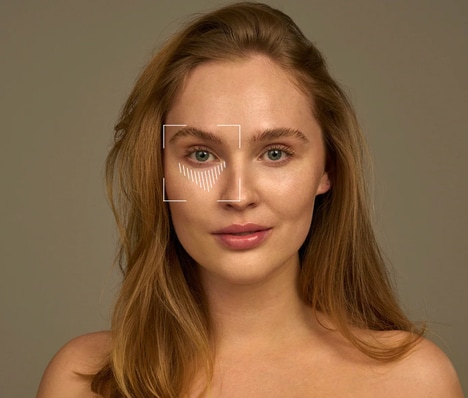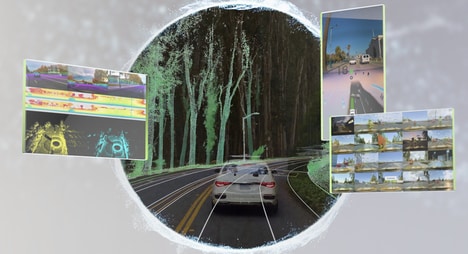

L’Oréal is advancing beauty R&D with predictive skincare engines powered by NVIDIA’s AI, enabling scientists to simulate ingredient behavior at an atomic level before physical testing. By integrating the ALCHEMI machine learning framework into its research ecosystem, the brand can model how molecules interact, reducing reliance on traditional lab trials. This approach speeds up formulation discovery by up to 100 times, particularly in areas like photoprotection and skin tone management.
This shift signals a move toward simulation-first product development, where digital testing replaces much of the trial-and-error process. For consumers, this means more precise and effective skincare solutions, while brands benefit from faster turnaround times and reduced costs. As this approach scales, it could reshape industries beyond beauty, including pharmaceuticals and wellness, where rapid formulation and testing are equally valuable.
Image Credit: L’Oréal
Why This Trend Is Growing
- Simulation-first Formulation
- Traditional lab workflows are being supplanted by virtual experiments that can validate ingredient interactions and efficacy before any physical prototype is produced.
- Predictive Molecular Modeling
- Molecular-level AI simulations enable the anticipation of compound behavior such as stability, photoprotection, and skin-tone interactions, narrowing candidate sets dramatically.
- AI-accelerated R&D
- R&D cycles that once took months can be compressed by orders of magnitude through machine learning frameworks that prioritize promising formulations and reduce empirical testing.
Industries Being Reshaped
- Beauty and Personal Care
- Skincare brands can deliver hyper-personalized, efficacy-verified products faster by leveraging atomic-scale simulations to optimize formulations for diverse skin types.
- Pharmaceuticals
- Drug discovery and formulation processes have the potential to be reoriented around in silico testing to predict molecular interactions, toxicity profiles, and delivery efficacy earlier in development.
- Wellness and Nutraceuticals
- Supplements and functional foods stand to benefit from predictive modeling that forecasts bioavailability and ingredient synergies without exhaustive human trials.