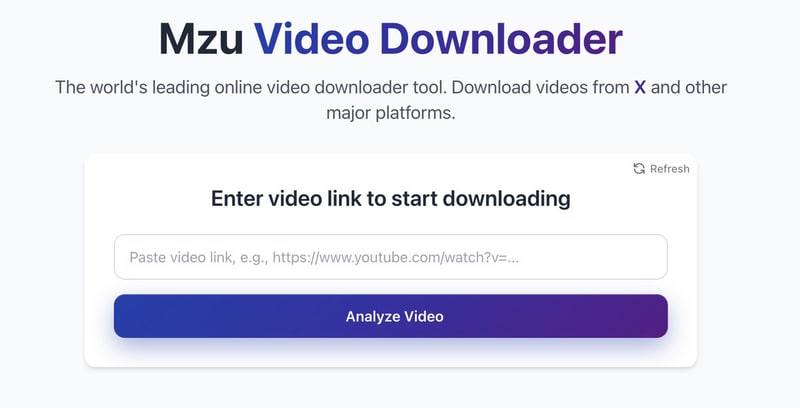
Saving videos from different platforms can be challenging when users need a simple way to access content offline. Mzu Video Downloader provides a fast and free tool for downloading videos from popular platforms including YouTube, TikTok, Instagram, X, and more.
The platform is one which is designed to offer a really straightforward experience, allowing users to download videos through direct links without complicated setup or software installation. With support for high-quality downloads and unlimited usage, Mzu Video Downloader helps users save content for personal viewing, reference, or offline access. Whether collecting educational materials, saving creative inspiration, or managing personal media libraries, the tool provides a convenient solution for downloading online videos. By combining speed, accessibility, and support for multiple platforms, Mzu Video Downloader makes video saving simpler for everyday users.
Image Credit: Mzu Video Downloader
What's Driving This Trend
- Frictionless Video Saving
- Browser-based download tools are reshaping offline media access by removing app installs, account barriers, and technical steps from everyday content collection.
- Cross-platform Content Archiving
- Unified downloading across social and video platforms creates new potential for personal knowledge libraries, creator research workflows, and portable media collections.
- Offline-first Media Consumption
- Growing demand for saved video access reflects a shift toward flexible viewing experiences that work around connectivity limits, travel needs, and fragmented platform access.
Who This Affects Most
- Digital Media
- Video utilities that simplify saving and organizing content introduce new value layers around consumption, discovery, and user-controlled media access.
- Creator Economy
- Content creators, marketers, and researchers gain efficiency from tools that streamline reference gathering, competitive analysis, and inspiration management across multiple platforms.
- Educational Technology
- Offline video access supports more resilient learning environments where students and educators can preserve instructional materials for repeat viewing without depending on stable internet access.