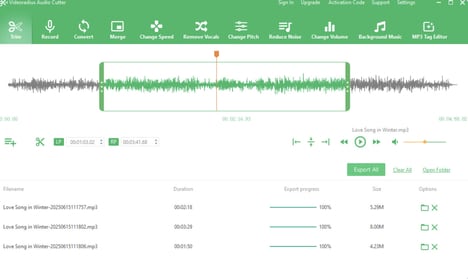
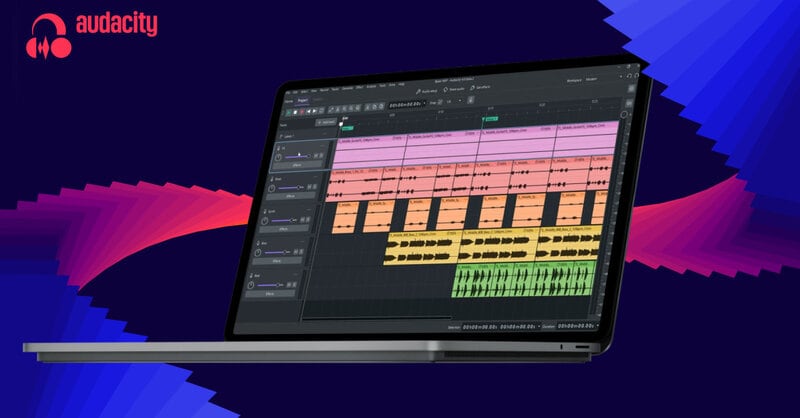
Audacity 4 advances non-destructive audio editors by giving creators more flexibility while preserving the workflows familiar to existing users. The open-source application now allows clips to overlap, be grouped and edited together, while trimmed audio can be recovered without altering the original recording. Ripple editing, clip-based volume automation and a dedicated Split tool further streamline complex projects. Audacity 4 also introduces customizable Workspaces and a home screen combining local projects with cloud projects stored on audio.com.
For Muse Group, the redesign modernizes a widely used free platform without creating a steep transition for its established community. Maintaining compatibility with Audacity 3 projects and existing shortcuts can encourage adoption while reducing disruption. Deeper audio.com integration also supports Muse Group’s broader connected ecosystem, while links to MuseHub plugins, effects and sound libraries create opportunities to surround the free editor with additional tools and services for creators.
Image Credit: Muse Group
What Makes This Trend Stand Out
- Non-destructive Editing
- Recoverable trims, overlapping clips and reversible workflows create room for creator tools that reduce production risk while supporting more experimental audio projects.
- Connected Creative Workspaces
- Unified home screens that blend local files, cloud projects and customizable layouts signal demand for flexible production environments spanning devices and collaboration contexts.
- Plugin-driven Ecosystems
- Free creative platforms linked to effects, sound libraries and add-on marketplaces can expand into service ecosystems that monetize around core user workflows.
Sectors Adopting This
- Audio Software
- Open-source editors with professional-grade flexibility are reshaping expectations for accessible production tools across podcasting, music and multimedia creation.
- Creator Economy
- Integrated editing, cloud storage and asset discovery platforms provide infrastructure for independent creators seeking lower-cost paths to polished content.
- Digital Media Production
- Workflow-preserving upgrades such as ripple editing and clip automation support faster turnaround for teams managing increasingly complex audio-led content pipelines.