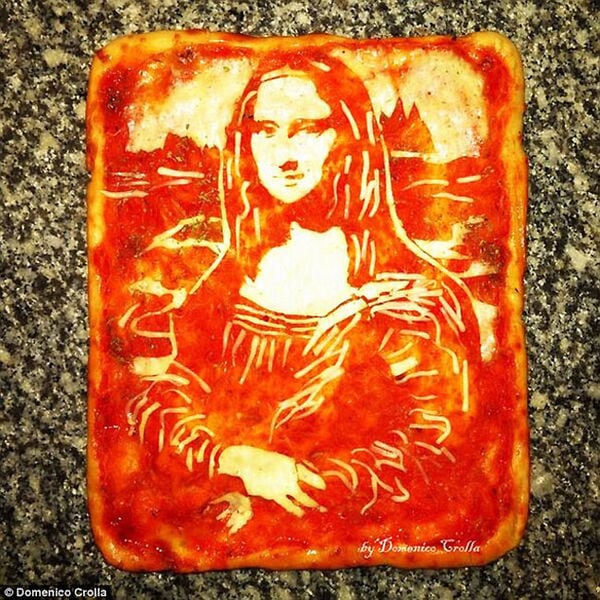
The 'Mini Lisa' is an extremely miniature version of the famous Mona Lisa painting. The minuscule piece of art is so small that it only stretches to about a third of the width of the average human hair. Mini Lisa was created using ThermoChemical NanoLithography in order to make it only 30 microns long.
Researchers at the Georgia Institute of Technology created the micro-painting using chemical reactions to shade in pixels. Heat was used to create molecules at differing amounts across a substrate surface. The machine used to create the painting used more heat for lighter areas and less heat for darker areas. As a result, the researchers were able to create an accurate depiction of Mona Lisa at a molecular scale.
The Mini Lisa is only part of the journey towards widespread nanomanufacturing. The researchers hope to use their discoveries to further the field.
Why This Trend Is Growing
- Nanotechnology Art
- Artists and researchers explore the combination of nanotechnology and art to create miniature masterpieces.
- Nanomanufacturing Advancements
- The use of chemical reactions and technology to create microscopic designs has the potential to revolutionize the manufacturing industry.
- Nano-imaging and Replication
- High-precision imaging and replication at the nanoscale presents new opportunities for scientific and commercial pursuits.
Industries Being Reshaped
- Artificial Intelligence
- AI-assisted imaging and chemical reactions could revolutionize the creation of artwork, leading to new revenue streams and markets.
- Semiconductor Technology
- The semiconductor industry can leverage nanomanufacturing advancements to push the limits of miniaturization and improve their products.
- Medical Devices
- The use of nanotechnology in medical devices can improve precision and provide solutions for previously untreatable conditions.