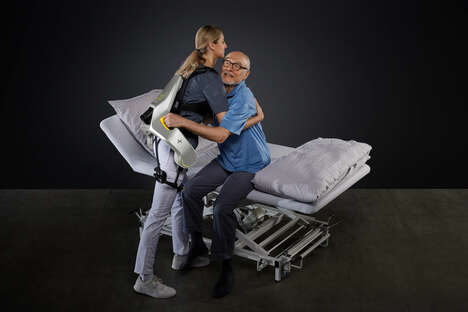
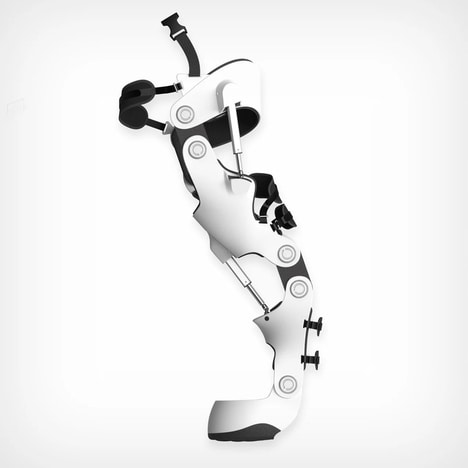
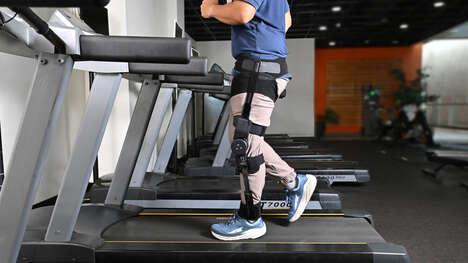
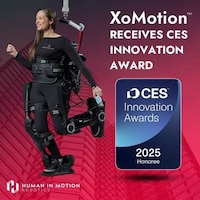
Research was conducted form the University of Grenoble Alpes, which used a mind-controlled exoskeleton to help a person walk. Additionally, the University used a far less invasive procedure than other similar research efforts. However, the researchers also indicated that the mind-controlled exoskeleton is still being developed and improved.
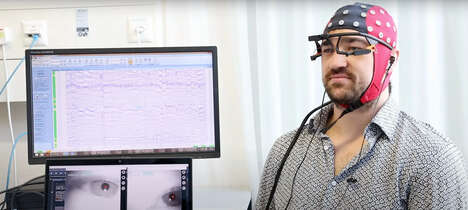
The process utilized electrodes that were implanted above a person's brain, where other researches implanted sensors in the patient's brain. This results in a far less invasive procedure, as well as a reduced risk of infection. Additionally, portions of the patient's discs were replaced with brain sensors.
Subsequently, researchers were able to map the patient's brain, in order to monitor which regions are involved in different movements. The patient was then able to successfully walk while using the mind-controlled exoskeleton.
Image Credit: The Lancet Neurology
Key Themes Behind This Trend
- Mind-controlled Exoskeletons
- Developing more advanced mind-controlled exoskeletons to make movements easier for patients with mobility issues.
- Less Invasive Prosthetic Implants
- Creating prosthetics that require less invasive implants to reduce risk of infection and make procedures easier for patients.
- Brain Mapping for Mobility
- Using brain mapping technology to pinpoint areas of the brain involved in movement and develop new mobility solutions for patients.
Where This Applies
- Medical Devices
- Developing innovative, less invasive medical devices for patients with mobility issues, like mind-controlled exoskeletons.
- Prosthetics
- Innovating prosthetics to use brain sensors and other advanced technologies for easier movement and greater patient comfort.
- Neuroscience
- Pioneering brain mapping technology and researching its potential in mobility-assistance, including mind-controlled exoskeletons.