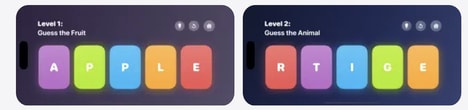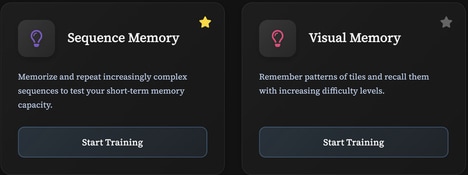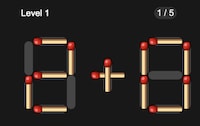
Memory games are most effective when they balance repetition with increasing difficulty, but many lose engagement due to repetitive design -- Mind Match Pro addresses this with a progression-based system built around short, focused challenges.
The game includes 50 levels of increasing difficulty, encouraging users to improve recall, attention, and pattern recognition over time. Power-ups add variation to gameplay while maintaining a simple core mechanic.
Rather than complex systems or distractions, the experience is centered on pure gameplay that gradually trains cognitive speed and focus through repetition and escalation.
Mind Match Pro is aimed at casual players and individuals interested in light brain training. By combining memory challenges with structured progression, it turns cognitive exercise into an engaging daily game loop.
Image Credit: Mind Match Pro
Why This Trend Is Growing
- Progressive Brain Training
- Structured difficulty curves transform simple memory exercises into habit-forming digital routines with potential to redefine casual cognitive wellness.
- Micro-challenge Gameplay
- Short, focused play sessions create accessible engagement models for users seeking measurable mental stimulation without complex game mechanics.
- Gamified Cognitive Fitness
- Level systems, power-ups, and repetition-based feedback make brain training feel more like entertainment, opening space for broader adoption beyond traditional wellness apps.
Industries Being Reshaped
- Mobile Gaming
- Casual puzzle formats with cognitive benefits expand the value of mobile games into daily self-improvement and lightweight wellness engagement.
- Digital Health
- Brain training experiences built around progression and retention metrics introduce scalable consumer pathways for preventative cognitive care.
- Edtech
- Memory, attention, and pattern-recognition mechanics offer education platforms new ways to blend skill reinforcement with engaging game-based progression.