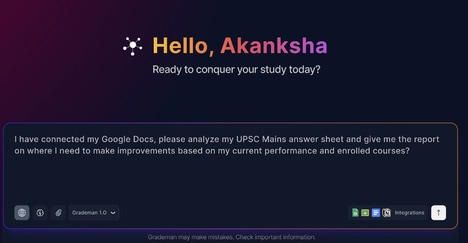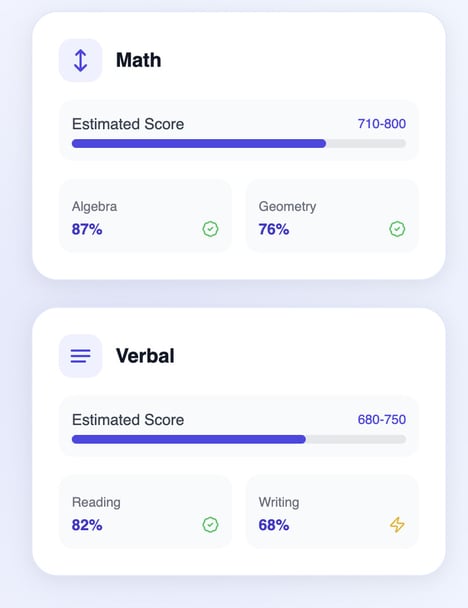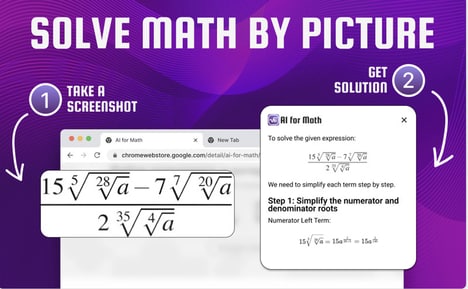
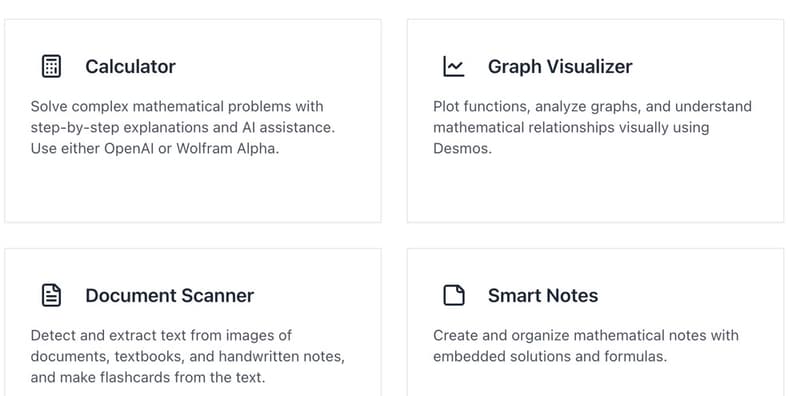
MathLens is an AI-powered educational platform designed to support mathematics learning through integrated problem-solving and study tools. The system combines an AI calculator, interactive graphing capabilities, step-by-step tutoring, flashcard generation, and automated note summarization within a single environment.
By leveraging established computational and visualization technologies alongside AI models, the platform aims to streamline exam preparation and reduce the time required to understand complex mathematical concepts. From a business perspective, MathLens reflects the growing convergence of artificial intelligence and educational technology, where personalized learning and automation enhance accessibility and efficiency. The platform’s multi-tool approach demonstrates how consolidated study environments can improve learner productivity while minimizing the need for multiple applications, aligning with broader trends toward integrated digital learning ecosystems and AI-assisted academic support.
Image Credit: MathLens
Why This Trend Is Growing
- Integrated AI Study Platforms
- An all-in-one platform combining calculators, graphing, tutoring, flashcards, and summarization presents the opportunity to disrupt fragmented study workflows by centralizing learning tools into a single adaptive environment.
- Multi-modal Tutoring Tools
- The fusion of step-by-step explanations, visualizations, and interactive problem solving creates scope for immersive tutoring experiences that adapt across learning modalities and proficiency levels.
- Personalized Exam Prep Ecosystems
- Data-driven tailoring of practice problems, spaced-repetition flashcards, and automated note synthesis reveals potential to transform exam readiness through individualized study pathways and progress prediction.
Industries Being Reshaped
- Educational Technology
- Integrated AI study platforms indicate a shift in EdTech toward consolidated, AI-native products that can redefine customer expectations for usability and learning outcomes.
- Assessment and Testing
- Automated problem generation and performance analytics open avenues for adaptive assessments that change difficulty and content dynamically based on real-time learner signals.
- Educational Content Creation
- AI-driven flashcard and summary generation suggests new models for scalable content production that can personalize curricula and reduce manual authoring overhead.