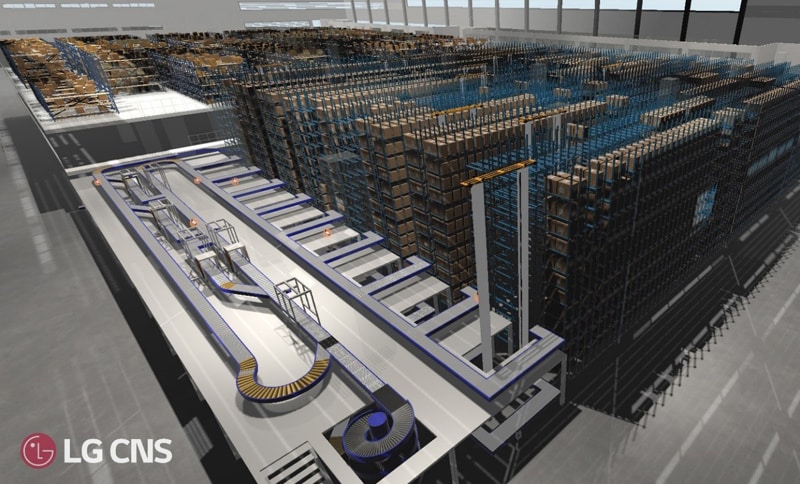
LG CNS introduced a machine-focused digital twin platform that creates live virtual models of factory equipment, featuring continuous IoT sensor feeds to mirror temperature, load and vibration. The system was presented as a way to move beyond basic asset tracking to a simulated replica that updates in real time.
The platform links edge and cloud processing to reduce latency and support predictive analytics, with integration work to connect legacy equipment and normalize varied data formats. LG CNS combines sensor inputs with analytics to simulate failure modes, energy scenarios and production changes so teams can test decisions without touching the physical asset.
For operators, the platform can cut unplanned downtime and reveal efficiency gains by forecasting wear and simulating operating conditions; this helps planners schedule maintenance and optimize energy use. As more manufacturers adopt IoT, digital twins turn machines into testable digital assets that improve operational resilience.
Image Credit: LG CNS
What's Driving This Trend
- Real-time Machine Twins
- Creates continuously updated virtual replicas of equipment that enable simulation-driven decisioning and predictive operational models.
- Edge-cloud Hybrid Processing
- Combines low-latency edge analytics with scalable cloud processing to support near-instant simulations and complex predictive workloads.
- Legacy Equipment Digitization
- Normalizes disparate data formats from older assets to convert previously opaque machines into testable, analytics-ready digital entities.
Who This Affects Most
- Manufacturing Operations
- Live digital twins introduce opportunities to rethink production planning by enabling virtual line balancing and throughput stress-testing without physical disruption.
- Industrial Maintenance and Service
- Predictive failure-mode simulation opens pathways for service models that move from reactive repairs toward condition-based, outcome-guaranteed contracts.
- Energy Management in Manufacturing
- Simulated energy scenarios allow for granular optimization of consumption patterns and the development of dynamic, asset-level energy pricing or efficiency services.