
Living robots and robots that can feel have been of interest to many. While some are surely fascinated by the prospect, others fear that it might mean the end of civilization. Regardless of these possibilities, technological progress is, in fact, advancing and recently, scientists from the Tufts University in the USA orchestrated the first living robots — out of frog cells, no less.
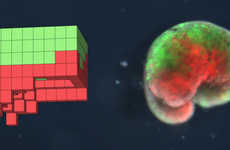
The innovation is titled 'xenobots' and these entities combine frog skin and heart cells in a way that allows them to "walk, work together and heal themselves." As of right now, their lifespan is about seven days and they are aquatic. Innovators hope that they can perfect the living robots and employ them for various use, including "delivering drugs into people's bloodstreams, cleaning up microplastics from the ocean, or managing radioactive waste spills."
Image Credit: Dezeen
Key Themes Behind This Trend
- Living Robots
- The advancement of living robots using biological materials could disrupt industries related to drug delivery and waste management.
- Xenobots
- The development of the first-ever xenobots using frog skin and heart cells could lead to disruptive innovation in the field of biotechnology and robotics.
- Self-healing Robots
- The creation of xenobots that can heal themselves using biological materials has the potential to revolutionize industries such as medical devices and environmental remediation.
Where This Applies
- Biotechnology
- The development of xenobots, made from frog cells, could create disruptive innovations in the biotechnology industry for drug delivery and medical devices.
- Robotics
- Xenobots and the advancement of living robots represent a disruptive innovation opportunity for the robotics industry, particularly for tasks that require biological interaction, such as environmental remediation.
- Waste Management
- Xenobots created using frog cells could bring disruptive innovations to industries such as waste management, to address issues such as radioactive waste spills and microplastics in the ocean.