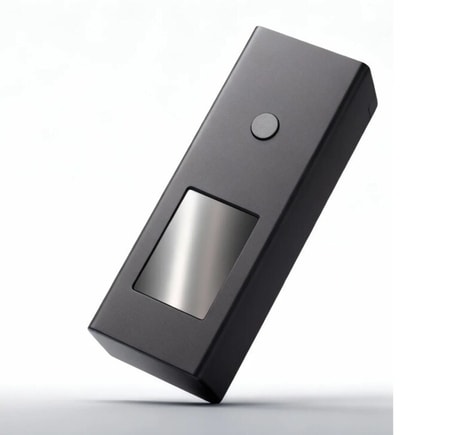

Taara, a graduate of Google’s moonshot factory X, introduced Lightbridge Pro, a wireless optical backhaul system featuring integrated optical switching to maintain continuous connectivity. The product pairs a 20 Gbps full-duplex free-space optical link with an internal switch that automatically toggles to a backup RF or fiber path in adverse weather.
Lightbridge Pro was built for carrier operations with FCAPS management and OSS/BSS integration, enabling unified monitoring of multiband links. The hardware supports on-premise or cloud management and offers inband control to reduce operational overhead. It extends Taara’s Lightbridge deployments, already in more than 20 countries, into SLA-driven use cases.
For operators, Lightbridge Pro matters because it makes high-capacity, no-dig backhaul viable as a primary link rather than a temporary extender, cutting time-to-market and civil costs. By delivering hitless switchover and carrier management compatibility, it helps networks densify and support private 5G and critical services without sacrificing availability.
Key Themes Behind This Trend
- Hitless Optical Switching
- Seamless in-path optical switching paired with automatic failover creates prospects for ultra-reliable, zero-packet-loss transport layers that can redefine SLAs for latency-sensitive applications.
- Multiband Hybrid Backhaul
- Combining free-space optics, RF and fiber in a unified link offers potential for resilient, capacity-rich backhaul architectures that minimize civil works and site acquisition constraints.
- Cloud-native Carrier Management
- Integrated FCAPS and OSS/BSS compatibility with on-premise or cloud control surfaces enables programmable, policy-driven network orchestration that could compress operational cycles and automate SLA compliance monitoring.
Where This Applies
- Telecom Carriers
- Carrier networks stand to adopt hitless optical links as primary transport, presenting opportunities to lower deployment costs while supporting denser urban coverage and higher throughput commitments.
- Private 5G and Enterprise Networks
- Enterprise campuses and industrial sites could leverage multiband, managed backhaul to sustain private 5G performance for mission-critical automation and low-latency control systems.
- Critical Infrastructure and Emergency Services
- Emergency response and utility networks could benefit from carrier-grade, no-dig connectivity options that maintain continuous communications during extreme weather and outage scenarios.