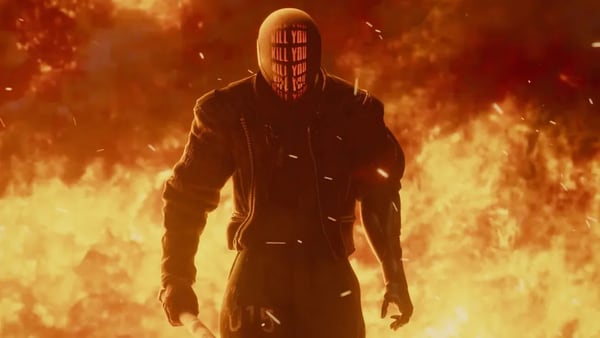
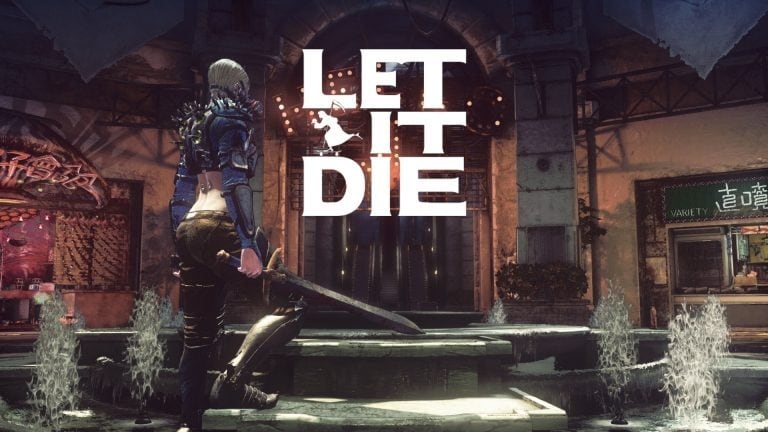
Grasshopper Manufacture announced it will retire the online servers for its 2016 free-to-play roguelike Let It Die and replace the live service with a paid offline edition, featuring the core survival action experience redesigned for single-purchase access. The studio confirmed the online run ends on 31 August and said the offline release will remove microtransactions and DLC, delivering the game as a single one-time purchase.
The offline build is intended to preserve gameplay while eliminating the original’s monetization systems such as revive tokens, and the team framed the move as a way to keep Let It Die playable after server shutdown. For players, the shift converts a once–always-online, heavily monetized title into an owned product, reflecting a wider trend of preserving games via premium offline re-releases.
Image Credit: Grasshopper Manufacture
Why This Trend Is Growing
- Premium Offline Conversions
- Indicates potential for converting live-service titles into one-time purchase products that preserve player access without recurring revenue.
- Serverless Preservation Editions
- Highlights demand for offline-friendly builds that maintain core mechanics and progress tracking without dependency on backend infrastructure.
- Monetization Unbundling
- Signals a move to separate gameplay value from microtransactions, enabling cleaner, single-price offerings.
Industries Being Reshaped
- Video Game Publishing
- Creates room for publishers to repackage and resell legacy live-service IPs as premium standalone products with simplified licensing.
- Digital Preservation Services
- Opens possibilities for specialist firms to archive, rebuild, and certify playable offline versions of online-dependent software.
- Console and Platform Manufacturing
- Suggests hardware makers might bundle certified offline editions to extend device longevity and appeal to privacy-focused consumers.