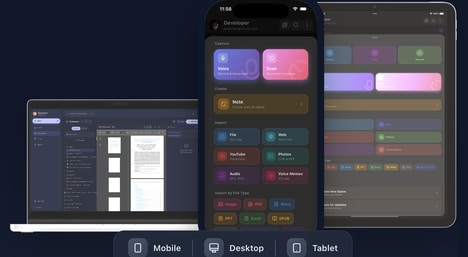

Information is often scattered across documents, links, notes, and research materials, making knowledge storage something difficult to build a coherent understanding over time. Knowly is an AI-powered knowledge platform designed to help users capture, organize, and learn from information in a structured way. Rather than functioning as a simple note repository, it focuses on building context and relationships between saved materials.
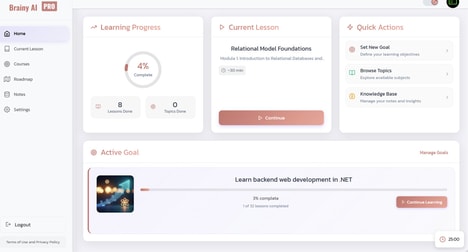
Knowly analyzes each source to develop a deeper understanding of the content and uses that context to guide users through personalized learning experiences. This helps transform stored information into a more interactive and accessible resource.
By combining knowledge management with AI-driven learning workflows, Knowly aims to create a continuous cycle of collecting, understanding, and revisiting information. It helps users move beyond storing knowledge toward actively engaging with and learning from it.
Image Credit: Knowly
Key Themes Behind This Trend
- AI Knowledge Graphs
- A connected layer of machine-understood relationships turns fragmented documents, links, and notes into adaptive knowledge systems with stronger context and retrieval value.
- Personalized Learning Workflows
- Individualized paths based on saved materials make knowledge repositories more dynamic by blending storage, review, and comprehension into one continuous experience.
- Contextual Note Platforms
- Context-aware organization shifts note-taking from passive archiving toward intelligent sensemaking, creating room for tools that surface patterns across accumulated information.
Where This Applies
- Enterprise Software
- Workplace platforms gain new relevance as AI-powered knowledge hubs reduce information silos and transform internal content into searchable, learnable organizational memory.
- Education Technology
- Learning systems become more personalized when user-curated sources generate custom study flows, bridging self-directed research with structured digital instruction.
- Professional Services
- Consulting, legal, and research teams benefit from AI systems that organize complex source material into reusable insight networks for faster knowledge development.