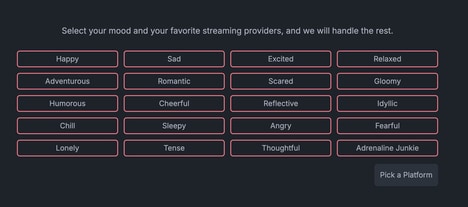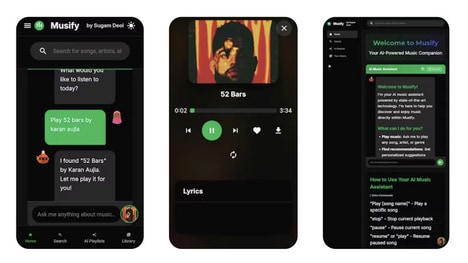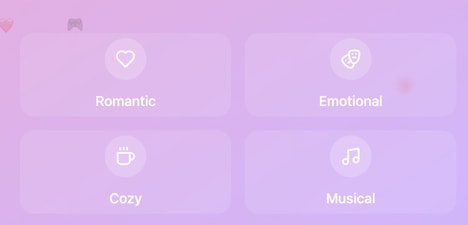
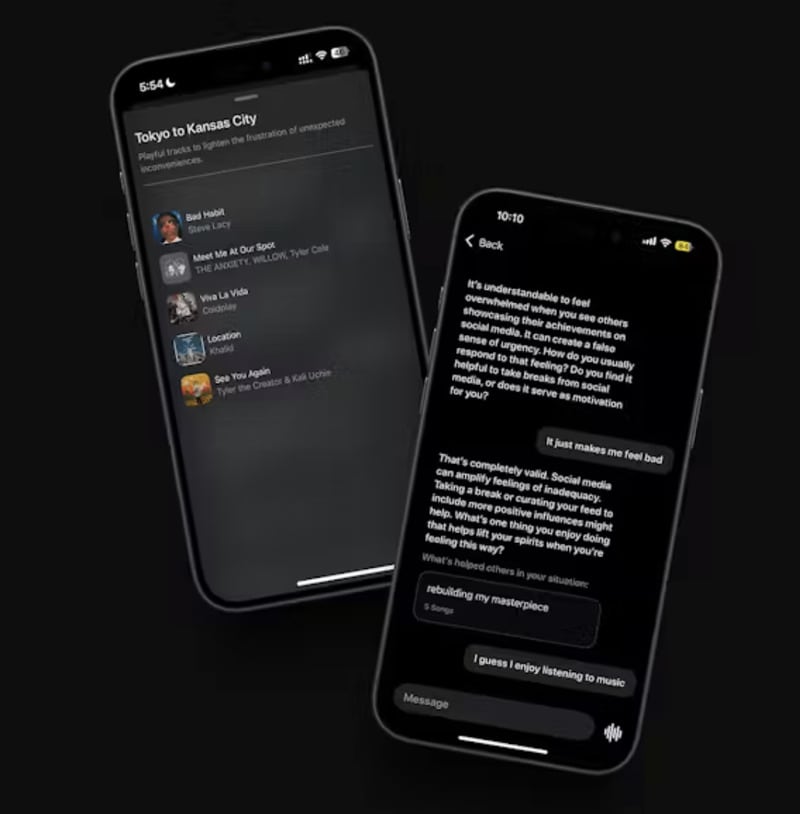
Jammy Chat is a mood-responsive music and content recommendation platform designed to surface media aligned with a user’s current emotional state. Rather than relying on historical behavior or long-term preference tracking, it emphasizes real-time context to guide recommendations.
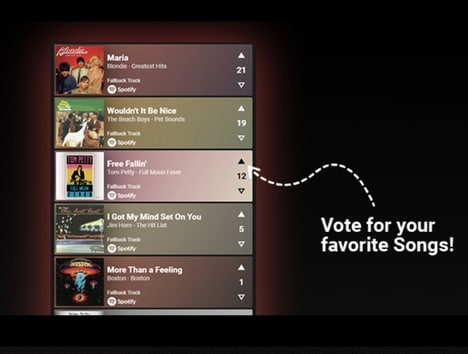
For businesses, this approach reflects a broader shift toward adaptive, intent-driven personalization, where relevance is determined by immediate needs rather than past clicks. The platform also highlights the value of socially-validated content, using collective engagement signals to inform recommendations. This model can support higher engagement by reducing noise and shortening the path between user intent and meaningful content. In a market increasingly focused on attention efficiency and emotional intelligence in digital products, Jammy Chat illustrates how mood-aware systems can influence discovery, retention, and user trust without requiring deep behavioral profiling over time.
Image Credit: Jammy Chat
Key Themes Behind This Trend
- Mood-driven Personalization
- Systems that tailor content to a user’s current emotional state enable experiences that prioritize immediacy of relevance over long-term profiling, creating pathways for trust-preserving engagement models.
- Real-time Contextual Recommendations
- Platforms emphasizing moment-to-moment context can dramatically shorten discovery cycles by surfacing content aligned with immediate intent and environmental signals rather than historical behavior.
- Socially-validated Discovery
- Recommendation engines that incorporate collective engagement cues offer a way to filter noise and elevate culturally resonant material through lightweight, real-time social proof.
Where This Applies
- Streaming Media
- Mood-aware curation in audio and video services presents an avenue for differentiated user retention by matching programming to transient listener emotions and situational context.
- Advertising and Marketing
- Emotionally contextual ad delivery enables more relevant creative placement and potentially higher attention efficiency by aligning promotional content with users’ current moods.
- Mental Health Technology
- Apps that sense and respond to emotional states through content selection and tone modulation can support therapeutic engagement while reducing reliance on invasive long-term tracking.