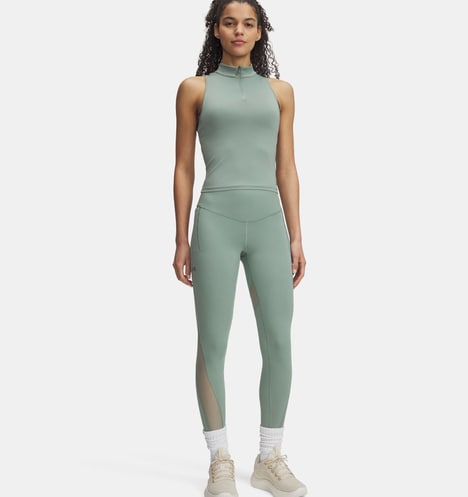
Under Armour is changing its inventory strategy according to a statement made by CEO and President Patrik Frisks on a previous earnings call.
During the earnings call, Frisks indicated that the new inventory strategy would restrict product supply even though demand is high. The new strategic direction will prioritize placing key products in predetermined locations instead of chasing demand, which may require the company to spread itself thin to meet higher levels of demand.
Under the new strategy, inventory went down by 9% in the first quarter of this fiscal year and margins on products were higher than previous quarters. Also noted on the earnings call was that Under Armours e-commerce business increased by 69% year over year.
Image Credit: Under Armour
Why This Trend Is Growing
- Inventory-restricted Retail
- The trend towards inventory-restricted retail aims to prioritize key product placement over meeting high levels of demand, presenting opportunities for companies to maximize margins on products.
- Predetermined Product Placement
- The new strategic direction of Under Armour and other companies to prioritize predetermined locations for key products can lead to disruptive innovation opportunities in supply chain management.
- E-commerce Growth
- Amid inventory restrictions, e-commerce continues to experience growth, signaling a need for companies to focus on maximizing their online presence to maintain revenue streams and customer engagement.
Industries Being Reshaped
- Retail Industry
- The new trend towards inventory-restricted retail is disrupting traditional supply chain strategies, creating opportunities for companies to optimize inventory management.
- Sportswear Industry
- Under Armour's new inventory strategy could have a ripple effect across the sportswear industry, presenting opportunities for disruptive innovation in product placement and distribution.
- E-commerce Industry
- The continued growth of e-commerce, as seen in Under Armour's 69% year-over-year growth, presents opportunities for other online retailers to optimize their strategies and maximize revenue.