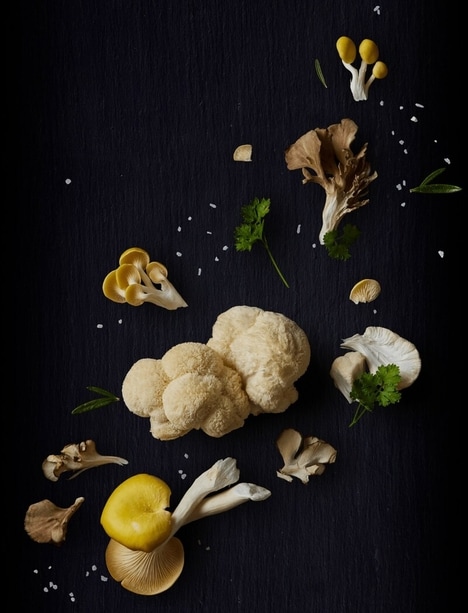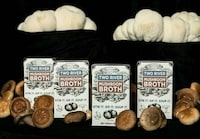

Caputo & Guest, a specialty organic mushroom grower, is drawing attention to lion’s mane mushrooms as a plant-based ingredient suited for gourmet cooking. The company seeks to promote the fungus through a collection of recipes that would be of interest to both professional chefs and home cooks.
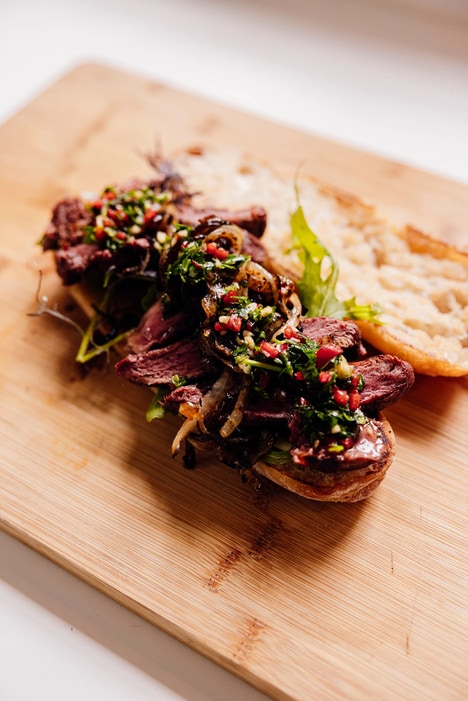
Caputo & Guest draws attention to the mushroom’s fibrous, meat-like texture and mild, savoury taste. This has allowed lion's mane to serve as a great substitute for seafood or meat in traditional dishes. To link it even more to gourmet cooking, the company has highlighted the popular preparation methods for the ingredient — from Lion's Mane 'Steak' Italiano, which offers "pan-seared mushrooms finished with butter, herbs, and garlic" to Lion's Mane Crab Cakes, which boast "shredded mushrooms seasoned and lightly fried."
Image Credit: Caputo & Guest
Key Themes Behind This Trend
- Plant-based Seafood Alternatives
- A shift toward lion’s mane as a seafood substitute highlights opportunities to replicate delicate marine textures and flavors without animals.
- Mycelium Texture Engineering
- Advances in processing methods that preserve or enhance lion’s mane’s fibrous, meat-like structure suggest new product classes that mimic specific animal proteins.
- Chef-driven Fungal Menus
- Growing chef interest in lion’s mane for upscale preparations points to novel menu categories that center mushrooms as signature proteins.
Where This Applies
- Fine Dining & Restaurants
- High-end kitchens experimenting with lion’s mane indicate potential for premium mushroom-based dishes that command elevated price points.
- Food Manufacturing & Processing
- Industrial-scale preparation and formatting of shredded or formed lion’s mane could enable shelf-stable, ready-to-cook seafood and meat analogs.
- Culinary Education & Media
- Recipe collections and professional training focused on lion’s mane signal opportunities for content and curricula that mainstream fungal cookery techniques.