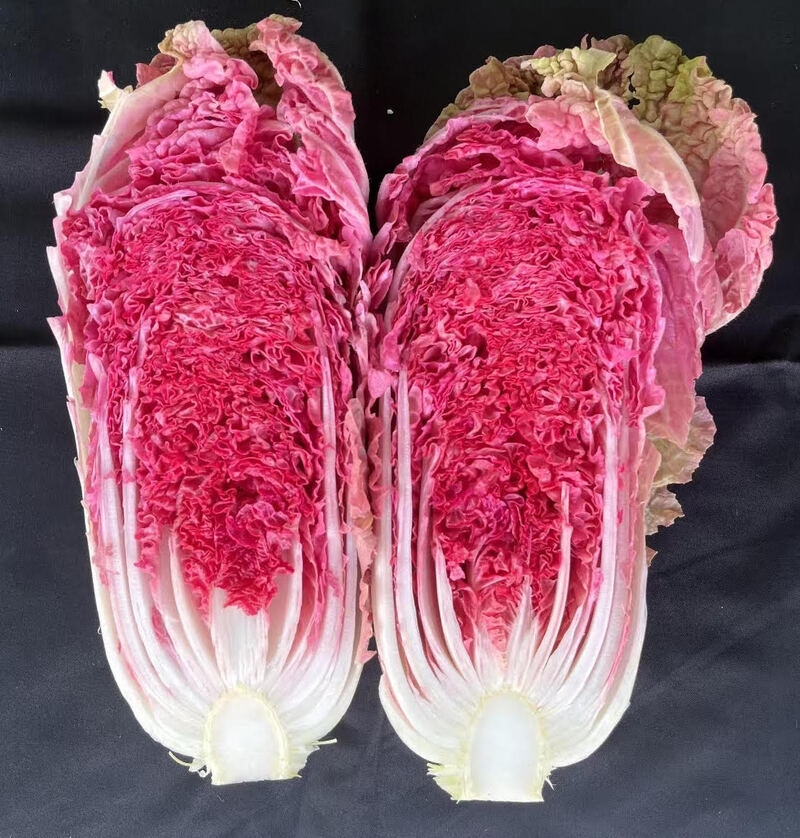
A team of scientists at the University of California, Riverside has engineered an innovative genetic marker called RUBY. It produces a vivid red pigment identical to the betalain compounds found naturally in beets.
This breakthrough development offers a safer, more visually apparent alternative to conventional antibiotic or herbicide resistance markers currently used in genetic modification research. Unlike traditional markers that can damage test cells, RUBY functions as a non-destructive visual indicator. When successfully incorporated into plant DNA, the genetic marker causes transformed cells to turn a distinctive red color detectable without specialized laboratory equipment. The researchers demonstrated RUBY's practical application by creating genetically modified mustard plants that change color when exposed to the pesticide azinphos-ethyl.
The food industry might utilize RUBY-modified plants as natural biosensors for detecting pesticide residues or other chemical contaminants in food production systems.
Image Credit: University of California
Key Themes Behind This Trend
- Safe Genetic Markers
- Non-destructive visual genetic markers like RUBY present a safer alternative by reducing the risk of damage to test cells in genetic modification research.
- Natural Pigment Technology
- The engineering of genetic markers that generate natural pigments provides opportunities for visually tracking genetic modifications without specialized equipment.
- Biosensing with Modified Plants
- Genetically modified plants that change color in response to specific chemicals can serve as effective biosensors for detecting contaminants.
Where This Applies
- Agricultural Biotechnology
- The development of visual genetic markers like RUBY can revolutionize genetic modification processes by enhancing safety and simplicity in plant research.
- Food Safety Technology
- RUBY-modified plants hold potential in advancing food safety measures by acting as natural indicators of pesticide residues.
- Genetic Engineering Tools
- The creation of naturally pigmented genetic markers opens new avenues in the field of genetic engineering for more efficient and eco-friendly research methodologies.