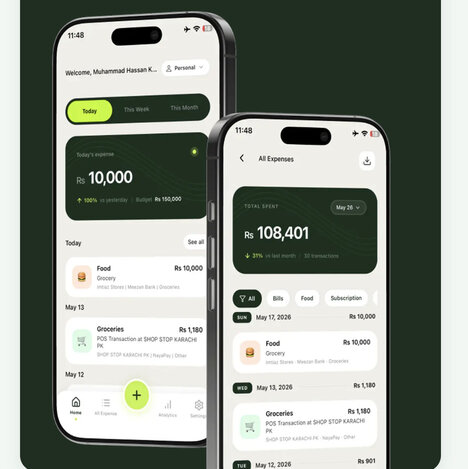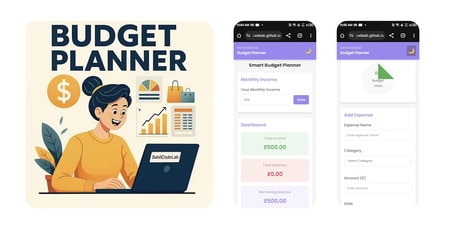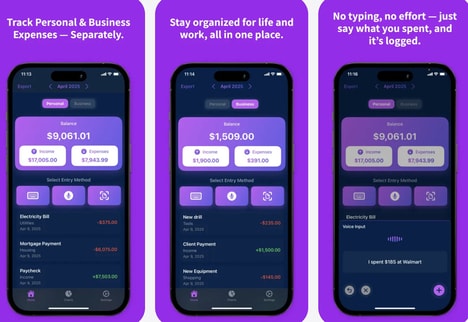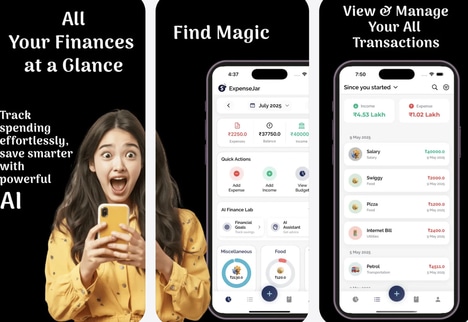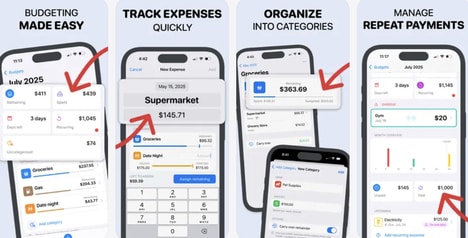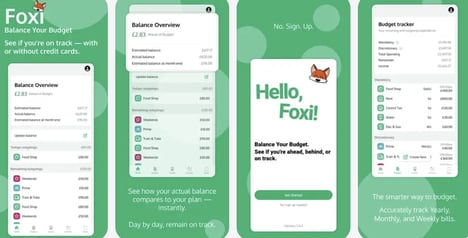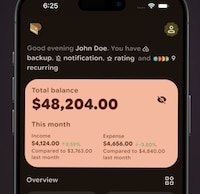
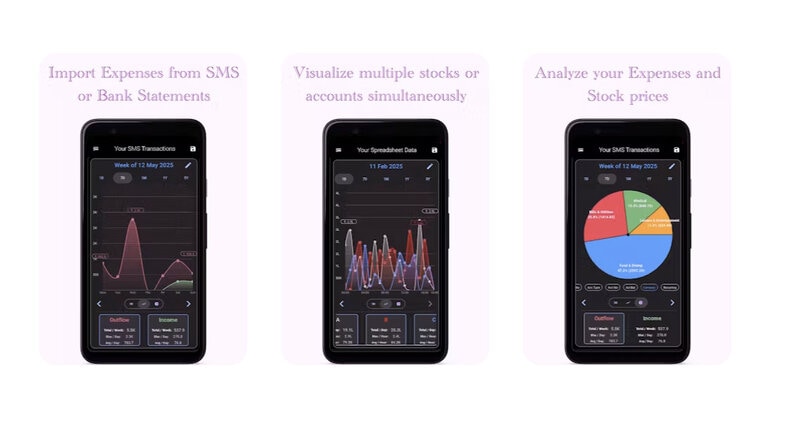
Keeping track of expenses manually can be time-consuming, especially when transactions are spread across different accounts and payment methods. FinTracker lets users import expenses from SMS messages in India or upload a CSV file to avoid entering transactions one by one.
The app is one which can automatically categorise spending and display it through clean charts and time-series visualisations. Users can also edit transactions manually, import and export CSV files, and use the app without creating an account. FinTracker works offline, giving users a simple way to keep their financial data accessible without relying on a constant internet connection. It provides a visual overview of spending that can make it easier to understand where money is going.
Image Credit: FinTracker
What Makes This Trend Stand Out
- Offline Finance Apps
- Privacy-conscious consumers are creating space for financial tools that operate without constant connectivity while still delivering intuitive money management features.
- Automated Expense Visualization
- AI-enabled categorization and chart-based spending summaries are reshaping personal budgeting by turning fragmented transaction data into accessible financial insights.
- Account-free Tracking
- Low-friction finance platforms that avoid mandatory sign-ups reflect growing demand for lightweight, user-controlled alternatives to conventional fintech ecosystems.
Sectors Adopting This
- Personal Finance
- Mobile budgeting services can differentiate through offline access, SMS-based imports, and transparent spending visuals tailored to everyday users.
- Fintech
- Emerging fintech products are finding white space in privacy-first utility apps that prioritize data portability and minimal onboarding over full-service banking integration.
- Data Visualization
- Consumer-facing analytics tools have opportunities to simplify complex financial behavior through clean interfaces, time-series views, and automated categorization.